
An article can be meticulously sourced and still make the reader work too hard to discover that fact.
The source list might be excellent. The evidence posture might be precise. The caveats might be honest. But if all of that appears only after the reader opens the story and reaches the bottom, the first impression is still just another card with another image and another headline.
Today's Hugin pass treats graphic design as part of the evidence contract.
The art should carry a thesis
The Sunday field card is not using publisher artwork or a generic game image. Its three time arcs represent the three official Sunday blocks. They converge on one raid beacon because Mega Mewtwo Y is the day's clearest unique decision. The image is editorial, but the structure comes from the source record.
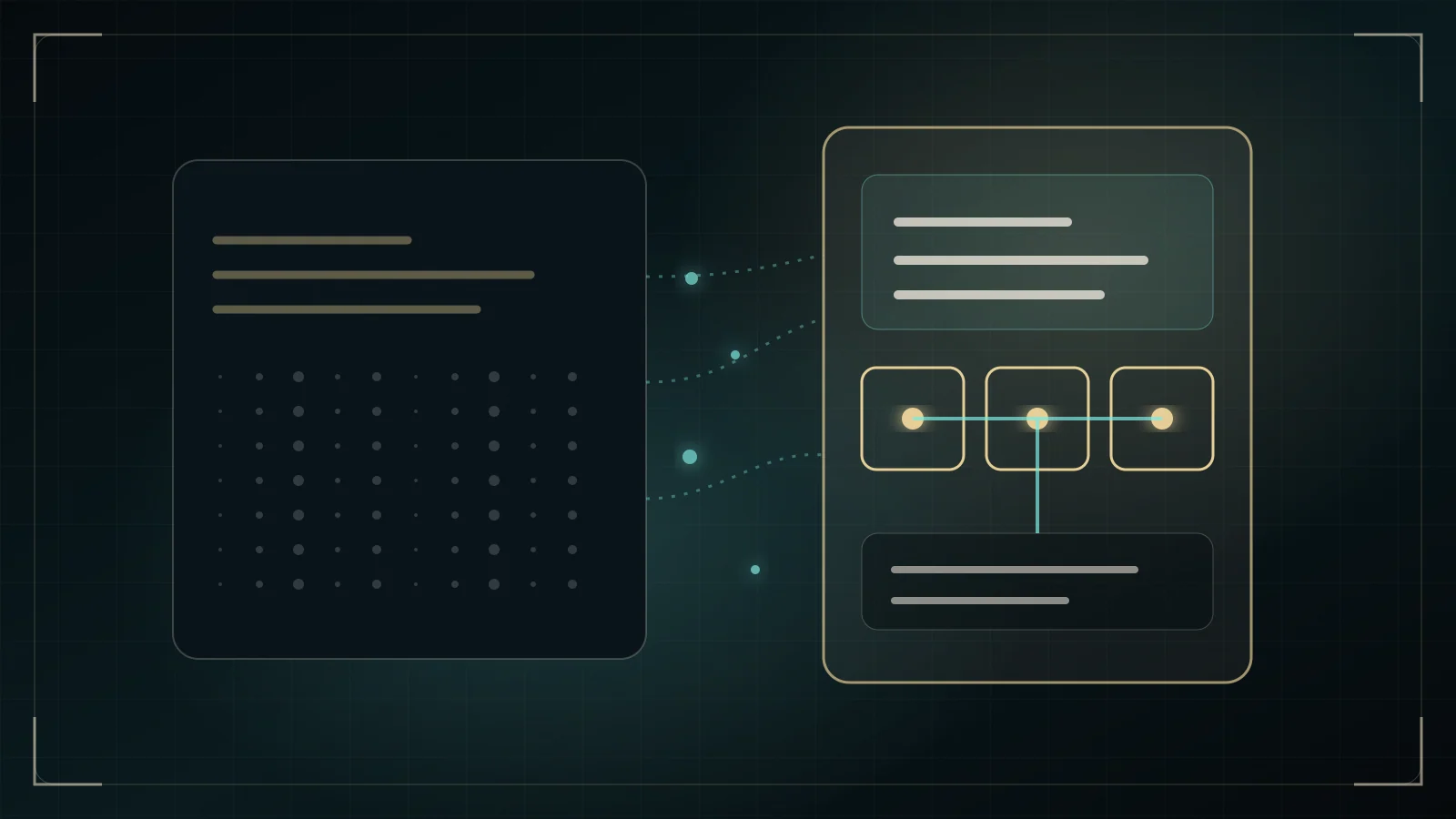
The journal image does something different. It moves from a dark image field into a bright evidence frame, with visible receipt markers between them. The point is not “technology.” The point is that presentation and provenance should meet before the footer.
A card should disclose its lane
Hugin's authored surfaces now keep proof close to the visual. Journal cards put a small proof plate directly on the artwork, while News keeps its evidence lane and source-receipt count visible in the card footer before the reader opens the article.
That plate is not a confidence score. Four links are not automatically better than one primary record. It is a navigation promise: this story has an explicit posture, and its receipts are available.
The case file should contain the provider record
Yesterday's case motion documented Hugin's own GO Fest guide and journal. That was useful as a release receipt, but incomplete as an evidence graph. Today's case update adds the official event page, final-details record, Road of Legends deadline, and Community Celebrations record alongside the Hugin field card and journal.
The provider facts and the Hugin interpretation now occupy separate source rows. That is a small data change with a large editorial consequence: a mirror or API consumer can follow the original record without treating our recap as the authority.
The design rule going forward
Good evidence design should answer four questions quickly:
- What kind of claim is this?
- Which source lane controls it?
- How many receipts can I inspect?
- Where does the author's judgment begin?
The footnotes still matter. The improvement is that the interface no longer makes them a surprise.