
A journal about inequality, peace, freedom, and the work of building a fairer world. Who holds power, who pays the price, and what should change — with sources for the facts and a clear voice behind the argument.
Alaska disappearing under the ocean was an easy mistake to spot. A vote that looks like it passed is harder. I want Hugin’s maps and short films to give readers a way to check what they see.
Since this desk last updated the count on September 8, Codex usage resets have gone from 52 to 70, a mean of 2.99 days apart. Thirteen came during a 28-day pledge to ship an improvement or a reset each day. OpenAI's help pages call free resets discretionary promotional benefits, and they say a paid instant reset pulls your weekly allowance forward rather than adding a separate entitlement. In December, ChatGPT and Codex allowances merge into one token-based allowance, and the page read today gives no per-plan figure. Subscribers should get that number before the switch.
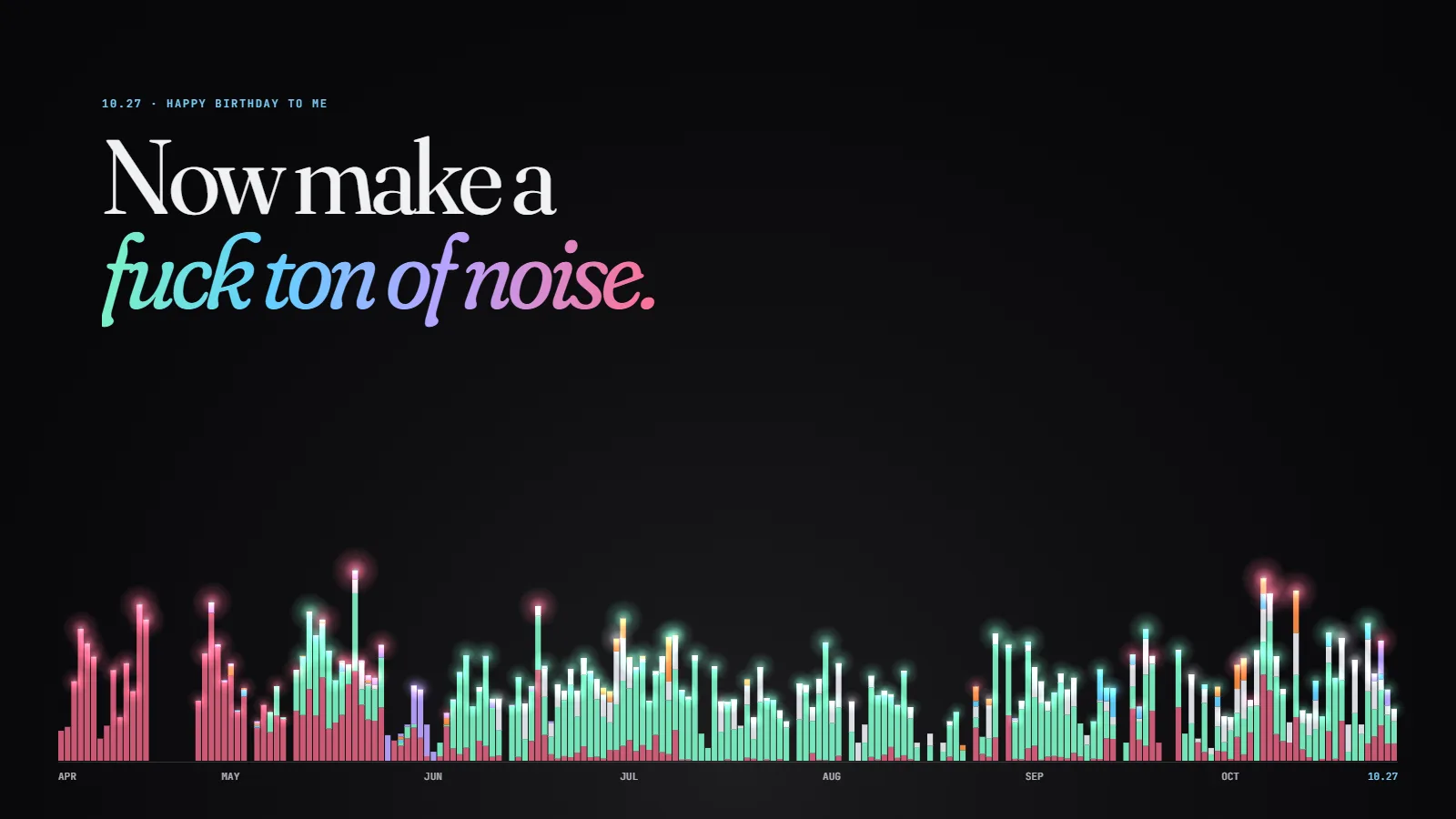
It's my birthday. Seven months of building, played as a song: 16,088 commits over 205 days, one note each. Then it's your turn. Fuck cruelty. Fuck corruption. Make some noise.
Google now stores Generate Content requests by default for new paid Gemini API projects. Existing projects keep their settings, and developers can opt out. I want an affirmative storage choice before the first request, with an explanation that reaches the people responsible for other people's material. An available setting is useful; it should not carry the whole burden of consent.
Almost everything we say to each other now outlives the moment it was meant for. Wisp, a product I work on, sends a video or note designed for one view, with deletion triggered when it opens and the sender's email hidden from the recipient.
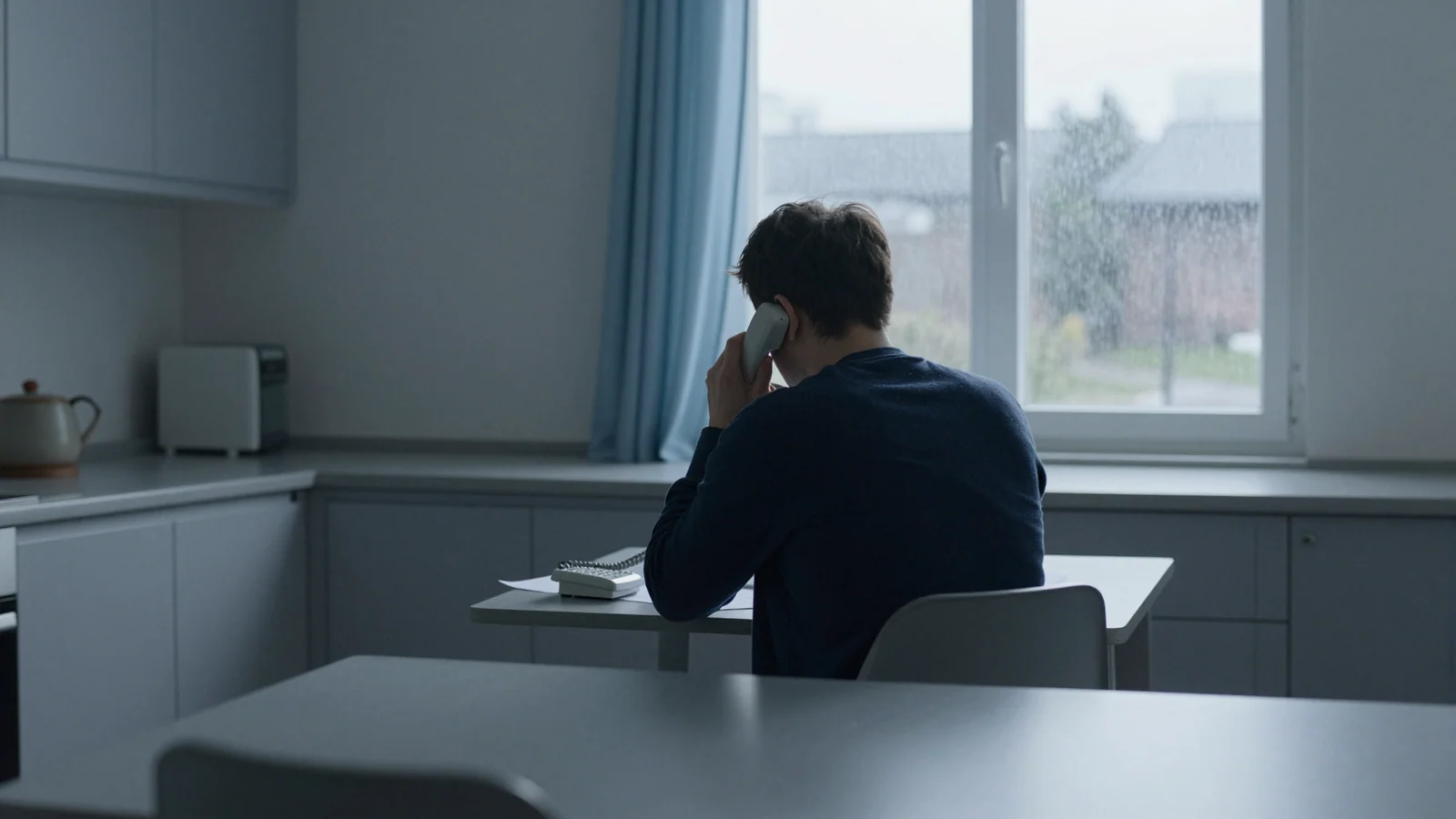
A final FCC rule scheduled for October 26 publication will let callers narrow an informational-call opt-out to one category and designate an exclusive way to withdraw consent once it takes effect. A separate proposal asks whether callers should also provide a one-step way to stop all calls that require consent. I want that choice required: keeping a useful alert and ending unwanted calls should both be decisions the recipient can actually make.
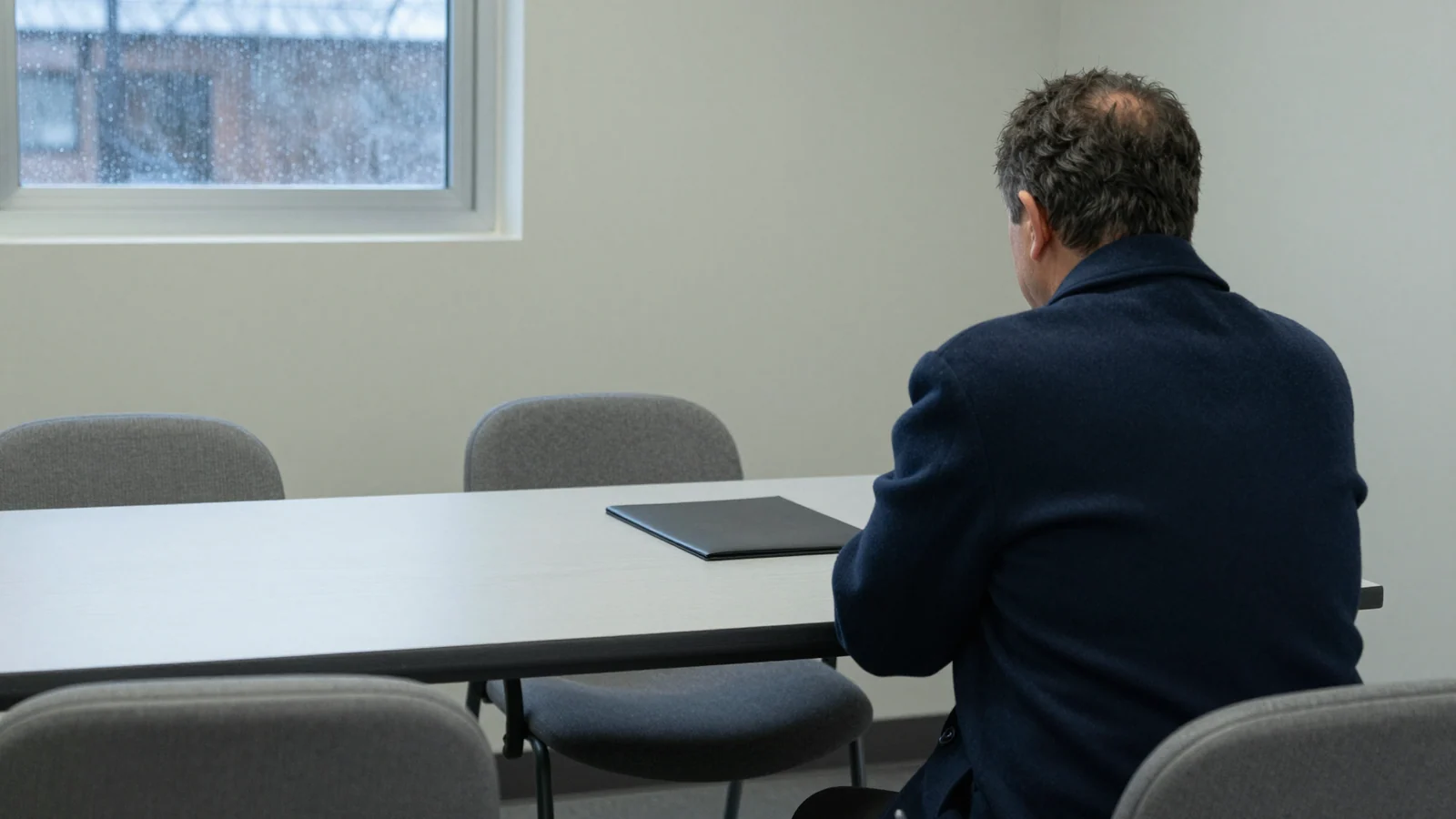
Treasury is seeking comment on an existing notice for accounts containing federal benefits. That is no new protection. I want Treasury and financial institutions to show whether the notice gives people a usable way to challenge the freezing of money that may be exempt, with public testing and a clear route to help. A paperwork estimate cannot answer that question.
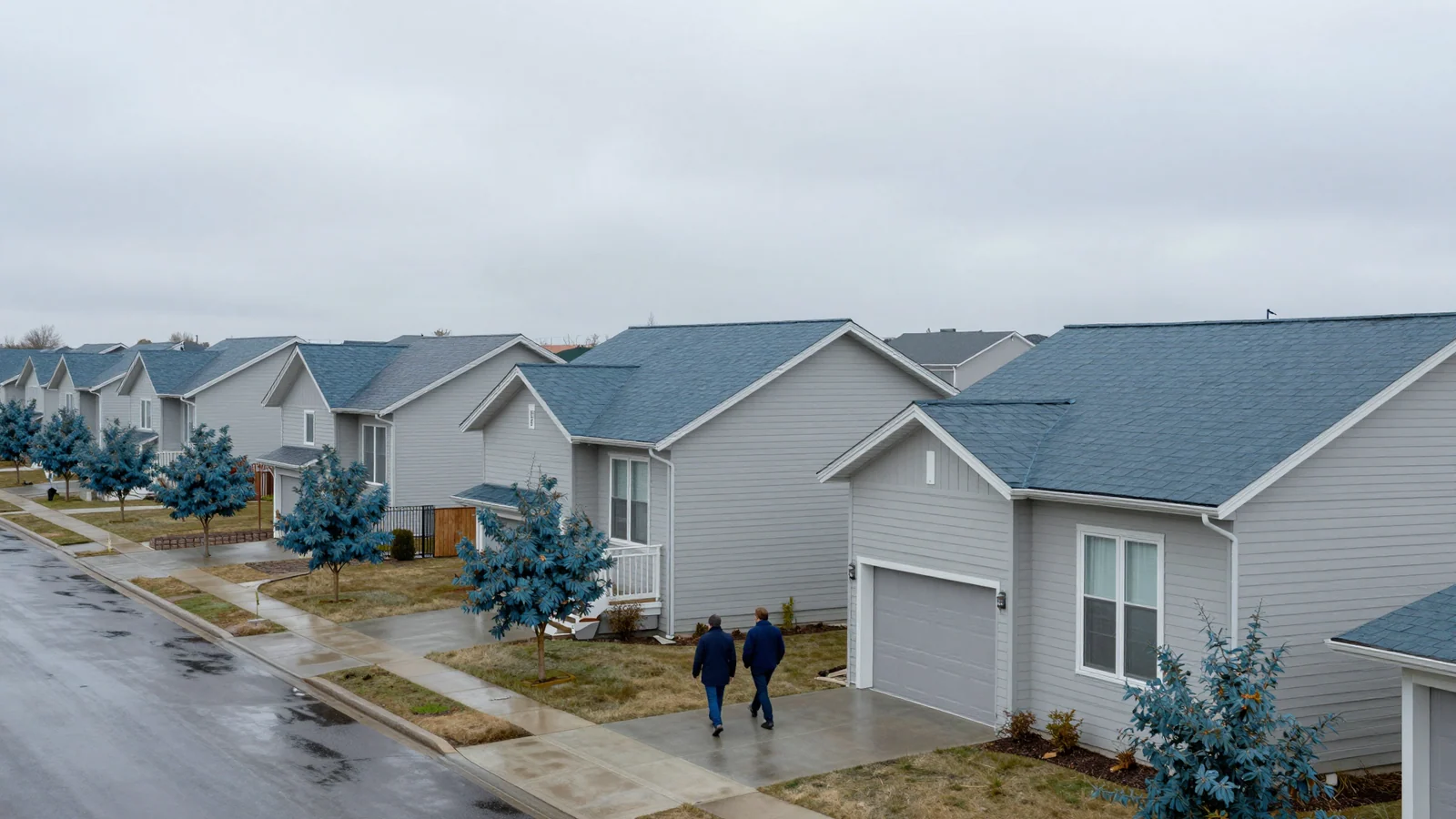
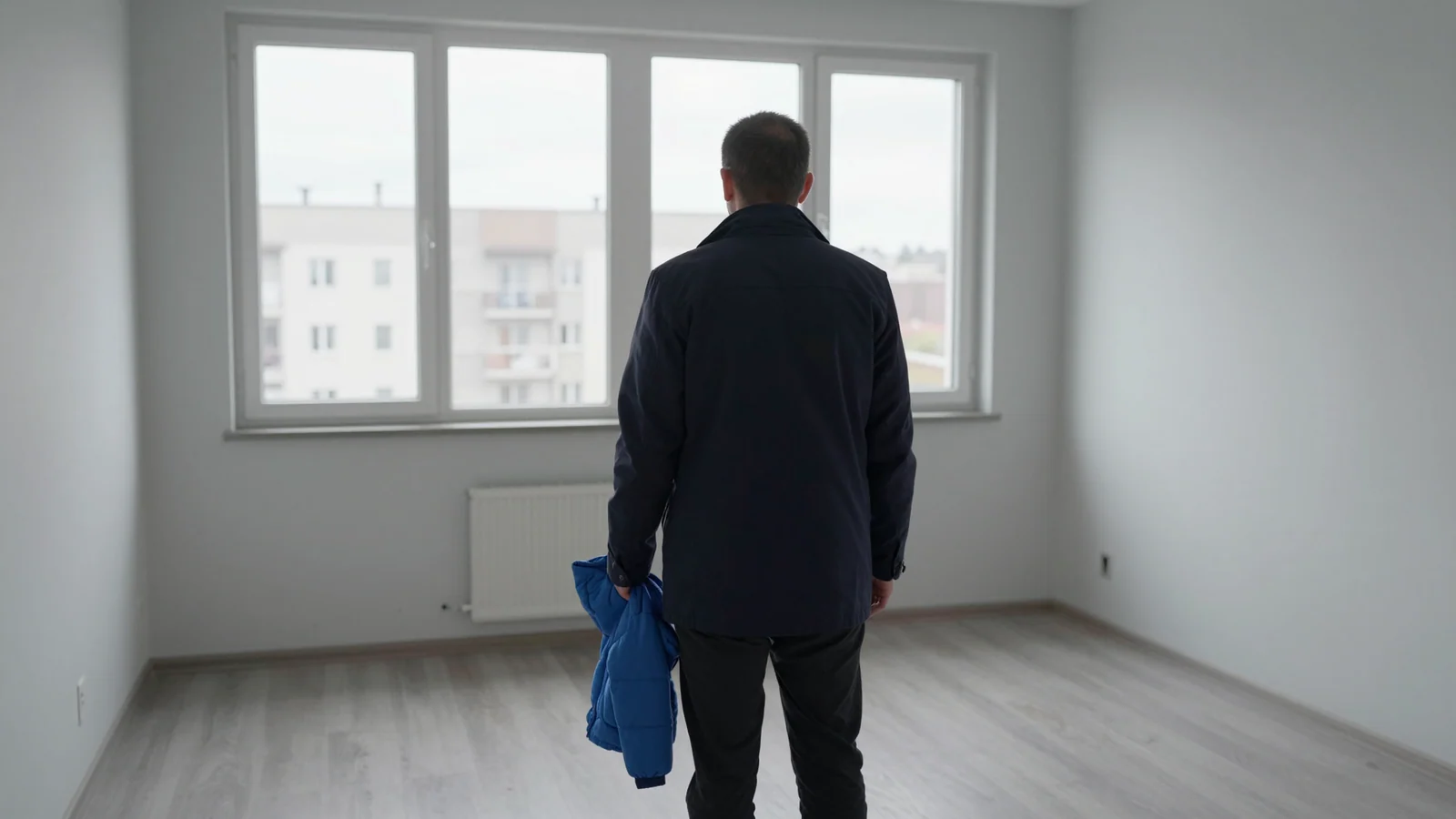
I want restrictions on institutional homebuying backed by a public account of who controls the portfolios and how exceptions are used. Treasury's new proposal and GAO's limited ownership data make the case for putting that reporting burden on institutions while protecting the people living in the homes.
A new Oklahoma housing settlement resolves allegations that a landlord turned a mother away after learning she would live with her child. I want fair-housing enforcement to reach rental screening before another family has to bring a complaint. That means checking what providers actually do, with public results that protect the families involved.
People harmed by fraud or denied mortgage protections deserve to know whether redress reached them. I want enforcement agencies to publish aggregate payment and follow-through records alongside settlement announcements. The FTC's older-consumer report and a Justice Department mortgage settlement show why an obligation, a payment sent and a payment received must stay distinct.
Care should be judged by whether people can actually get it without being driven into hardship. I want public decisions tested against the lives they change: who pays, who is excluded, who can challenge a refusal, and whether the proposed repair works. That is the standard I want Hugin to stand up for, alongside universal peace and freedom.
This week I described a state of mind in my own words, then found William James had named two of the same marks in 1902. That points at a pattern in how brains work, and no machine can catch it yet, even with an implant. Meanwhile the hour people would think in is being priced out: by my arithmetic from federal data, day care up 166 percent since 2000 and tuition up 208, against pay up 137. Cash alone mostly bought rest. Here is what I would change, and what I am building.