On July 13, 2025, a fire at an assisted living facility in Fall River, Massachusetts, killed ten residents and injured dozens more. Last week the Consumer Product Safety Commission put one detail about that building into a public notice:
The facility had not replaced dozens of recalled sprinkler heads, despite identification during a prior fire-safety inspection.
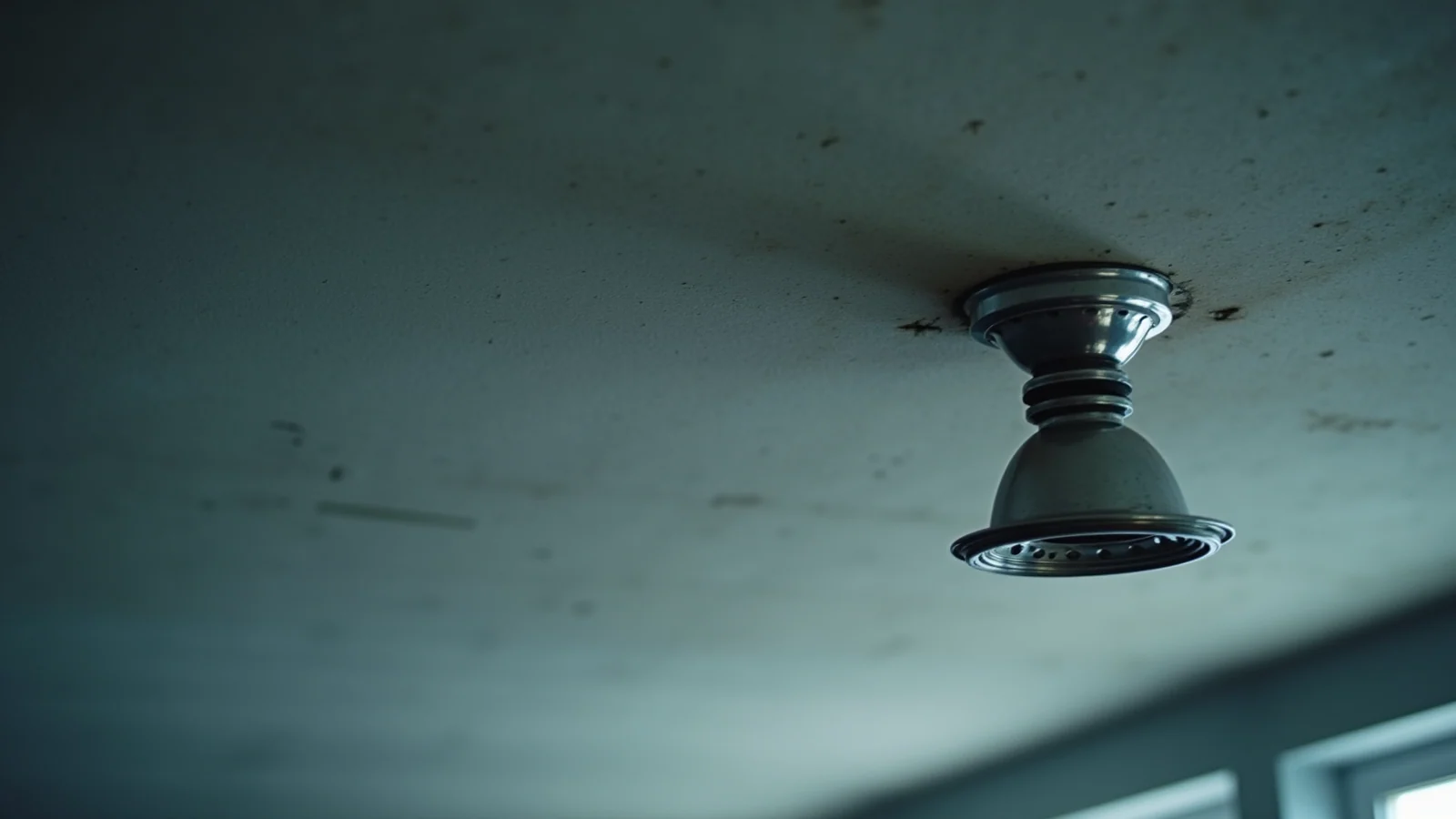
The heads were Central Sprinkler models made from the mid-1970s to June 2001. They were recalled in July 2001, because minerals in water can degrade a rubber seal until the head fails to open in a fire. The recall was closed on August 31, 2007, "after millions of sprinkler heads were replaced." Nineteen years later, the government and Tyco Fire Products are asking everyone to go and look again.
CPSC's notice does not say whether those heads played any part in the deaths, and this entry does not suggest it. The point is narrower and more useful. A recall is not one event. It is a chain, and each link can break on its own. The notices filed last week happen to show every break.
Failure one: the notice cannot find you
A car is the easy case. It has a serial number, a registration and an owner of record, so a recall letter has an address. Ford's recall of 223,472 F-150 pickups for a fuel tank that can leak or come loose was scheduled to reach owners by mail starting September 21. That matters here more than usual, because the filing's answer to what warning a driver might get is one word:
None
Ford estimates that 1 percent of the trucks have the defect. There is no light on the dashboard and no sound. Short of looking the truck up, the letter is how an owner learns.
A sprinkler head in a ceiling has no owner of record. Neither does a pressure washer bought online. A home ventilator's maker writes to its customers, but its letter has to ask the clinics and equipment suppliers among them to pass the warning on to patients. In each case the notice has to be passed along, or found, by whoever holds the thing now, which may be a third building owner, a new tenant or a family caregiver.
Failure two: the notice finds you, but the fix does not exist yet
Mercedes-Benz is recalling 310,667 vehicles because a switch in the driver's door can corrode and fail to notice the door is open, so the parking brake may not set itself. The owner letters were posted over the weekend, and there are two of them. Both are dated September 18, 2026. One says:
The remedy is now available for your vehicle.
The other says:
Unfortunately, the remedy is not yet available.
Which letter you got tells you whether parts exist for your car. An interim letter is an honest document. It is also a letter that tells you about a hazard and asks you to wait. The only early sign the filing names is mundane: the radio staying on after you get out.
Failure three: the fix exists, and nobody does it
This is the failure CPSC describes at Fall River. By its account the recalled heads were not unknown. An inspection had found them. The replacement program had run for six years. What was missing was the step where someone with a budget and a ladder turns a finding into a repair.
That is the break no mailing list can fix, because the letter already arrived. It is also the most common one in ordinary life: the recall notice in the glove box, the email marked read, the item on a building's inspection report that rolls over to next year.
Failure four: there is no recall
The same week, CPSC told consumers to stop using FOTING pressure washers immediately, citing shock and electrocution hazards, and to destroy them by cutting the power cord. They were sold on Amazon, Walmart, TikTok, Temu, Wayfair and eBay for between $85 and $266. The reason this is a warning and not a recall is one sentence:
Success Way Ltd. of China has not agreed to an acceptable recall.
With no cooperating company there is no refund, no replacement and no one obliged to find you. What reaches you, if anything does, is a public warning.
What to do about each
Each failure calls for a different habit. None of them takes long.
- For anything with a serial number, check it yourself. Put your car's VIN into NHTSA's recall lookup a couple of times a year rather than waiting for mail. If you already paid for a repair that a recall later covers, keep the receipt: Ford's letter offers refunds for previously paid fuel-tank strap repairs, and asks for the original receipt, not a photocopy.
- If the letter says the fix is not ready, the letter is the reminder. Put a date in your calendar to call the dealer, and ask whether parts have arrived. Mercedes lists 1-800-367-6372 for this recall.
- If you live in, manage or have family in an older building, ask the question out loud. Were the sprinklers checked against the Central Sprinkler recall, and were any recalled heads replaced? Tyco's notice is at tyco-fire.com/Central-Sprinkler-O-Ring-Notice, and CPSC's hotline is 800-638-2772. CPSC asks that building managers, homeowner associations, schools, hospitals and nursing homes all be told.
- For things bought online, look before you buy and report after. CPSC posts warnings like the FOTING one on cpsc.gov. Injuries and defects can be reported to CPSC at SaferProducts.gov.
- For medical devices at home, the caregiver is the address. Last week's FDA early alert on React Health VOCSN ventilators, which can reboot if an internal cable works loose, something a drop can cause, passes on the maker's advice: keep backup ventilation ready, keep the device on a stable surface, and run the checkout procedure after any drop. It also says not to stop therapy without an alternative and a clinician's instruction.
A recall ends when someone who holds the thing acts on it. Until then it is a fix waiting on a person.
Source links
- CPSC release 26-800: CPSC and Tyco Fire Products LP urge immediate action on recalled fire sprinklers that can fail in a fire (September 24, 2026)
- Tyco Fire Products: Central Sprinkler O-ring notice
- NHTSA recall 26V-481 (Mercedes-Benz, rollaway risk from door switch failure)
- NHTSA recall 26V-578 (Ford F-150, fuel tank may leak or detach)
- NHTSA recall lookup by VIN
- FDA early alert: ventilator issue from React Health
- SaferProducts.gov: report an unsafe product