
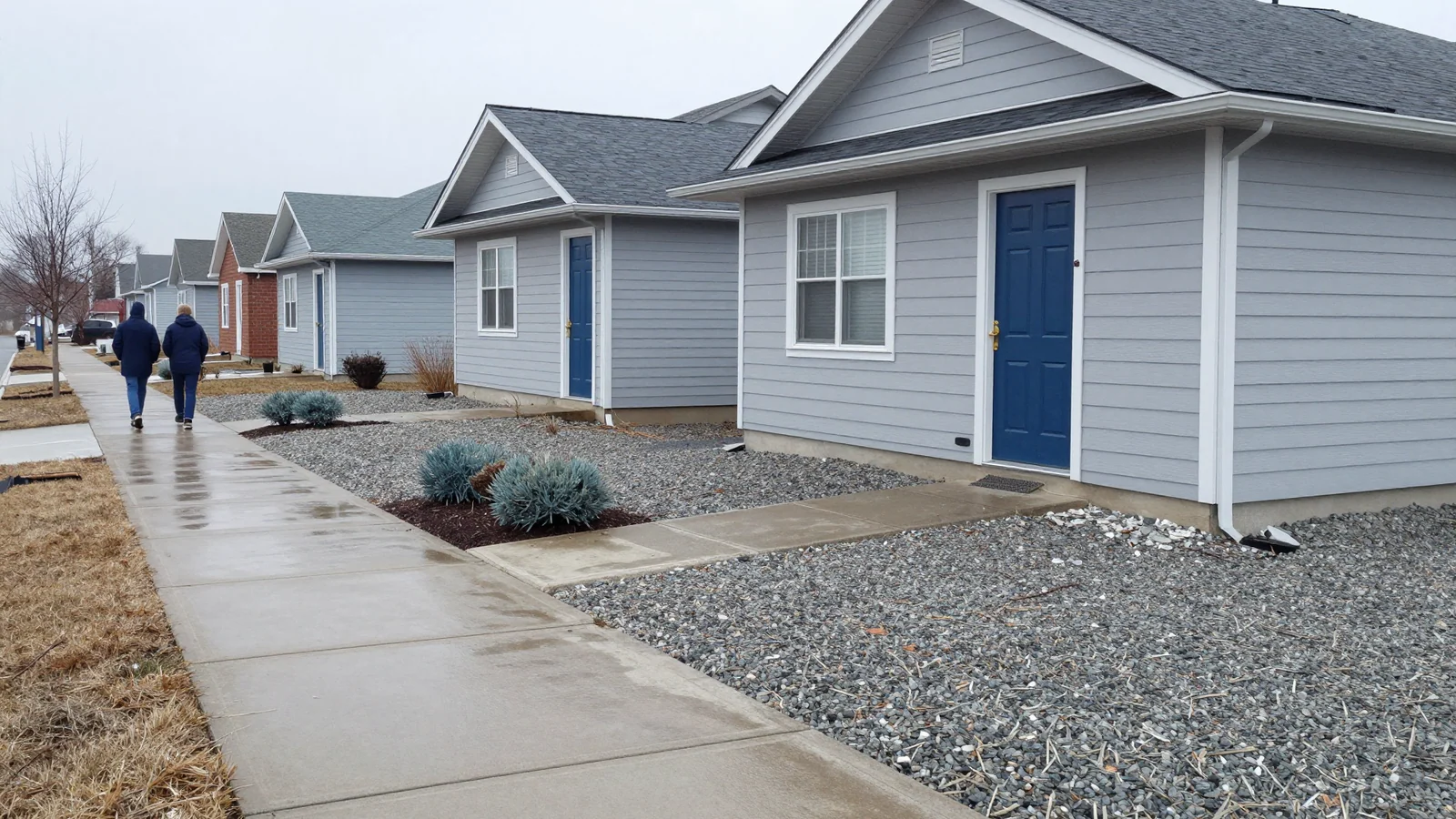
Construction methods such as building parts of homes off-site could improve production and reduce costs, but their benefits may not reach builders and consumers equally, the Government Accountability Office says. A new assessment also identifies financial, regulatory and workforce barriers that could limit adoption.
Possible benefits and obstacles
The assessment groups technologies into planning and design, construction methods, and building materials and components. Building a home or some components off-site in an efficient, controlled environment can shorten a project's overall time, GAO says. Automated equipment that cuts lumber to precise dimensions can reduce waste and costs. Software using land and regulatory data can help planners understand how local policy decisions can affect housing construction.
None of those examples establishes the savings a particular household will receive. GAO says some technologies are mature but not widely used, while others are new or emerging. New technologies can also have higher upfront costs than traditional construction methods for builders and consumers.
GAO says more than 20,000 jurisdictions administer residential building codes, creating compliance demands. Training workers on new techniques also takes staff, time and money that builders may not have.
Options for policymakers
The assessment identifies 14 options across five policy subgoals. They are alternatives for policymakers and other groups to consider, not policies the report says have been adopted.
Examples include preapproved housing design libraries, financial incentives for consumers and suppliers, expanded vocational training, and working with labor unions to expand the off-site construction workforce. Other options include building a national housing construction data infrastructure and training building inspectors in innovative methods.
What the assessment covers
GAO published and publicly released the assessment November 10. It reviewed literature and documents, interviewed government and industry representatives and others, made site visits and convened a two-day meeting of 17 experts. The product-page summary describes possible benefits and barriers; it does not establish what any individual project will cost or whether its savings will be passed on to residents.