
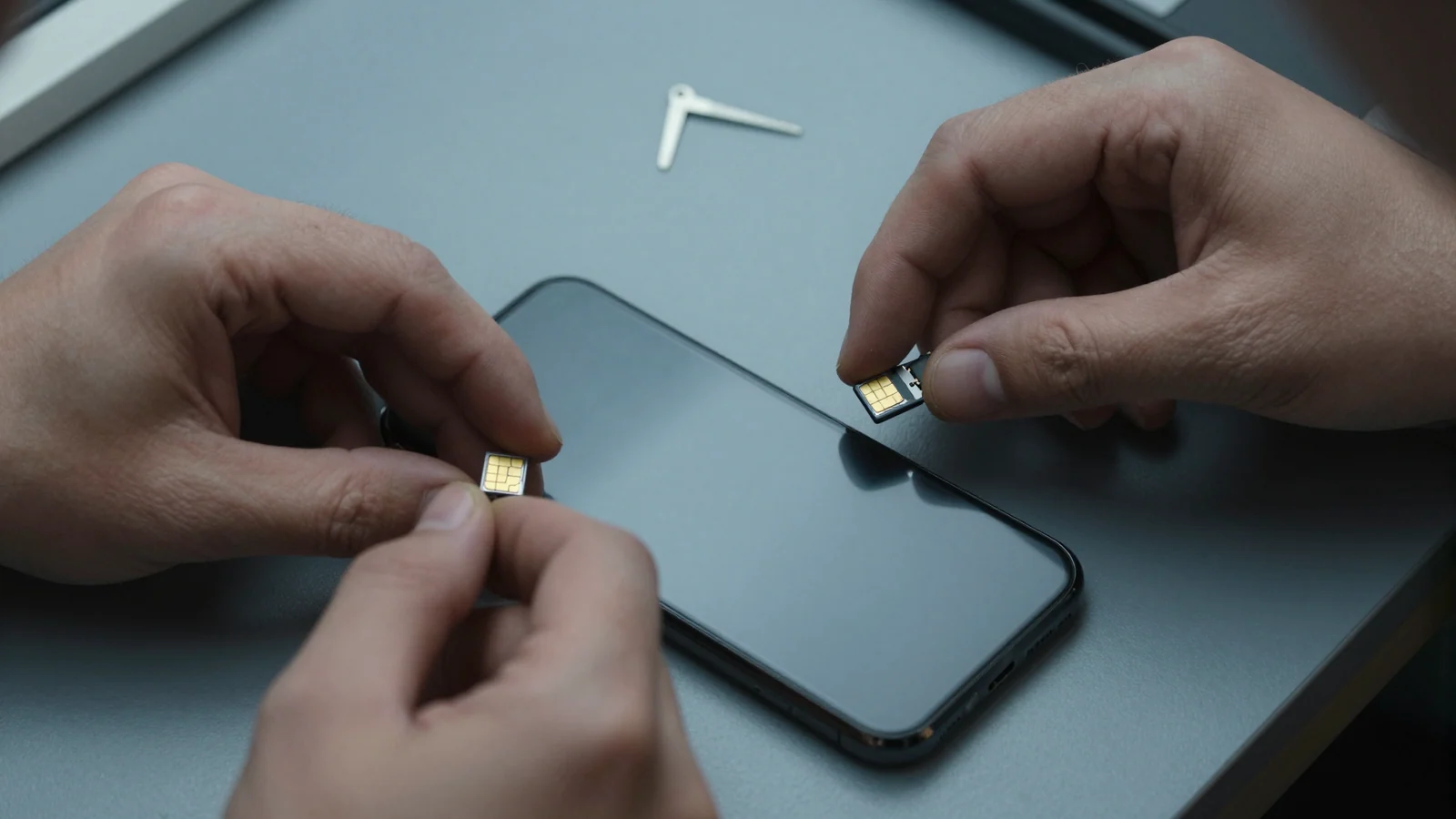
Covered wireless providers must comply by December 17, 2026, with federal rules on changes to a customer's subscriber identity module, or SIM. Someone who fraudulently transfers a mobile account to a device with a different SIM can gain control of the account and access private customer information, the Federal Communications Commission says.
What customers should receive
Under the rules, a provider must notify customers immediately when someone requests a SIM change on their account, before the change goes through. Providers must offer every customer a free option to lock or freeze their account to stop SIM change requests. Providers have to tell customers in advance what account protections they offer.
Providers must give customers a clear way to report SIM fraud, promptly investigate and remedy fraud, and promptly give customers documentation of fraud involving their accounts. Providers also have to establish a process for handling failed attempts to verify the identity of someone requesting a change. They must track SIM change requests and the verification methods used, and keep those records for three years.
Which date applies
The FCC adopted its order in 2023. Some provisions needed approval from the Office of Management and Budget because they required providers to collect or disclose information. The November notice says that approval came on January 15, 2025.
The information-collection provisions in paragraphs (h)(2) through (6) and (h)(8) of 47 CFR 64.2010 took effect November 17, 2026, as did the FCC's amendment spelling out when providers must comply. The December deadline applies to paragraph (h), which governs SIM changes. Although the underlying order also names port-out fraud, this notice assigns that deadline specifically to the SIM-change rules. It reports no inspection of any carrier's alert or account-lock system.