
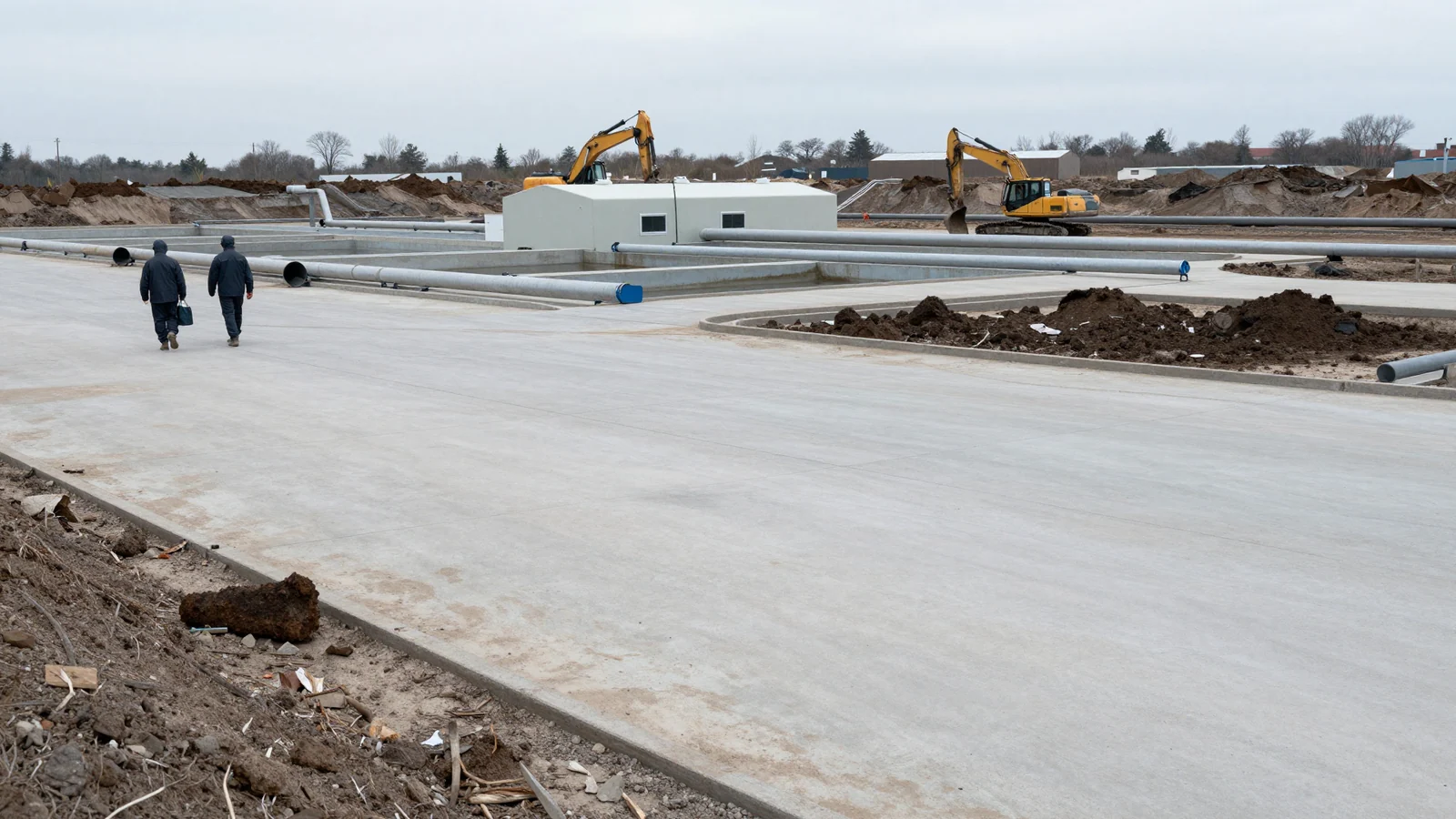
The Environmental Protection Agency recovered less than half of the roughly $25.8 billion it spent at nonfederal sites on its National Priorities List from fiscal years 1996 through 2024, according to a Government Accountability Office estimate. The comparison is a snapshot: EPA officials told GAO that recovery efforts continue.
GAO said EPA lacks goals and measures for assessing how effective its cost-recovery efforts are across these sites. The agency agreed with GAO's recommendations to develop them, according to the report publicly released November 5.
Who pays for cleanup
Superfund addresses sites contaminated with hazardous substances. EPA says the parties responsible should clean up sites themselves or reimburse the agency for cleanup. EPA uses the Superfund Trust Fund where responsible parties cannot be found or cannot pay, GAO said.
GAO analyzed 1,622 National Priorities List sites using the fiscal years for which it said reliable data were available. EPA data showed that the agency had identified at least one potentially responsible party for most nonfederal sites on the list. GAO noted challenges including fewer experienced staff searching for responsible parties over the last 10 to 15 years and limits on the ability to hold parties liable.
The estimated recovery figure does not mean that all remaining spending is legally recoverable. It also does not measure cleanup performed directly by responsible parties.
What GAO recommends
EPA has measures intended to help it take cost-recovery steps on time, GAO said, but it does not have tools to assess recovery effectiveness across nonfederal sites. Agency officials told GAO that recovery is a continuous process that can take years.
GAO recommended that EPA establish effectiveness goals, collect performance information and use that information regularly to assess progress and inform decisions. EPA agreed. All three recommendations were listed as open on GAO's page, pending confirmation of actions.
GAO analyzed EPA and budget data, visited sites and interviewed agency officials. The product-page summary does not provide a determination of what can be collected at each site; the full report and site-specific files were not reviewed for this article.