
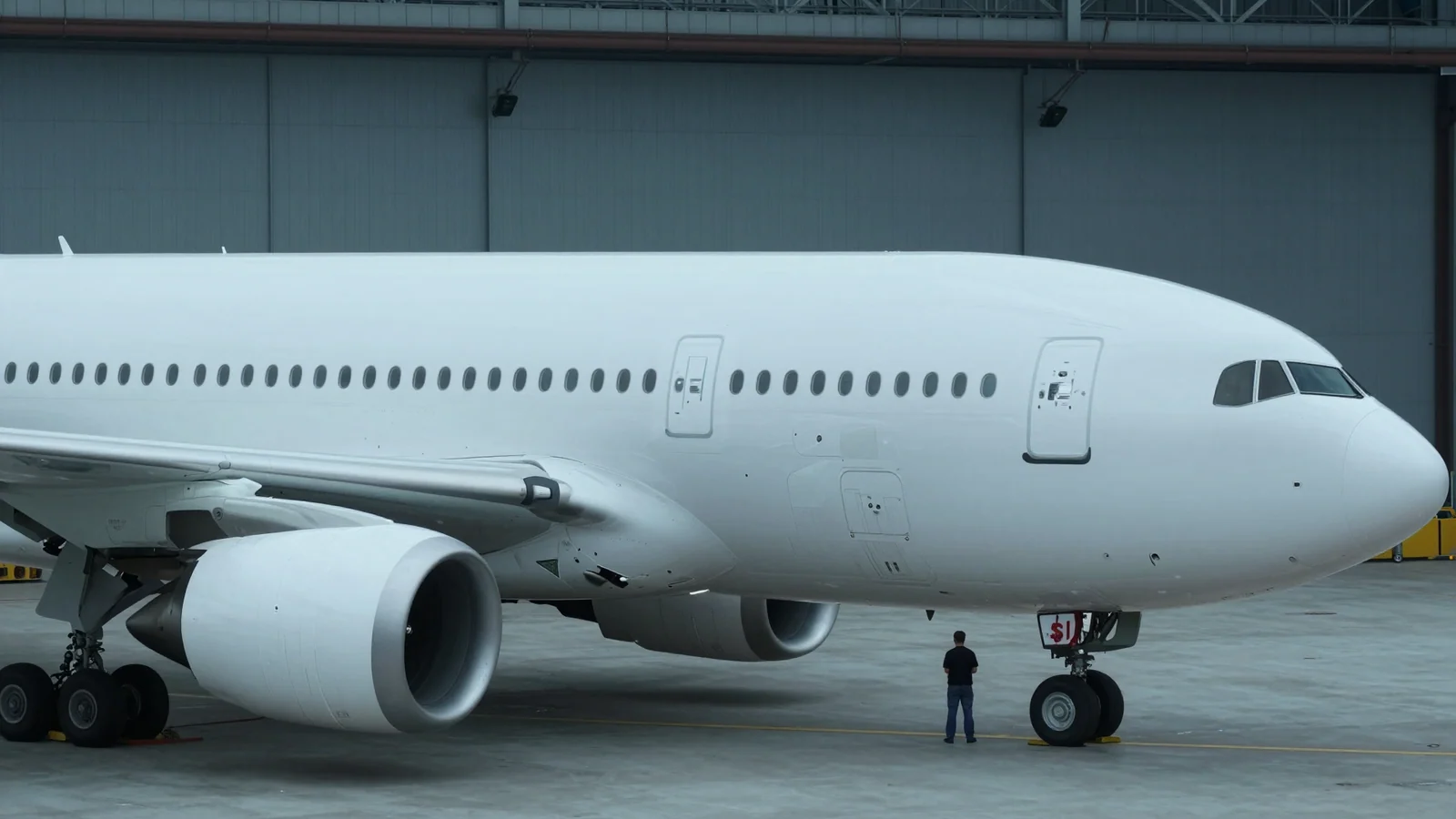
The Federal Aviation Administration ordered a cable replacement on specified Boeing 787 airplanes after reports of an increased rate of non-computed radio-altimeter data at low altitude during approach and landing. The agency says the condition could lead to loss of continued safe flight and landing if left unaddressed.
What operators must replace
The final airworthiness directive covers certain 787-8, 787-9 and 787-10 aircraft identified in a Boeing requirements bulletin incorporated into the rule. Operators must replace the left and right radio-altimeter transmit and receive coaxial cables with larger-gauge cables under that bulletin's instructions, unless the work has already been done.
The directive becomes effective December 14, 2026. Its detailed compliance times are in the incorporated Boeing bulletin. The FAA describes a five-year compliance period in its response to commenters and says it may consider a different time if a request supplies data showing an acceptable level of safety. The rule does not ground the affected airplanes while operators complete the work.
Why the FAA kept the schedule
Airlines asked for more time, citing parts availability and maintenance planning. A safety organization questioned why operators could take up to five years. The FAA declined both requests. It says it weighed the unsafe condition, parts availability and ordinary maintenance schedules and concluded the period allows the work while maintaining an adequate level of safety. Those are the agency's assessments; the notice does not provide a count of accidents caused by this condition.
The FAA estimates 169 U.S.-registered airplanes are affected. It puts the replacement at 31 work-hours and $17,805 per airplane, including parts, while noting that manufacturer warranties may cover some costs. Those are estimates for U.S. operators, not a worldwide fleet count or a bill to passengers.