
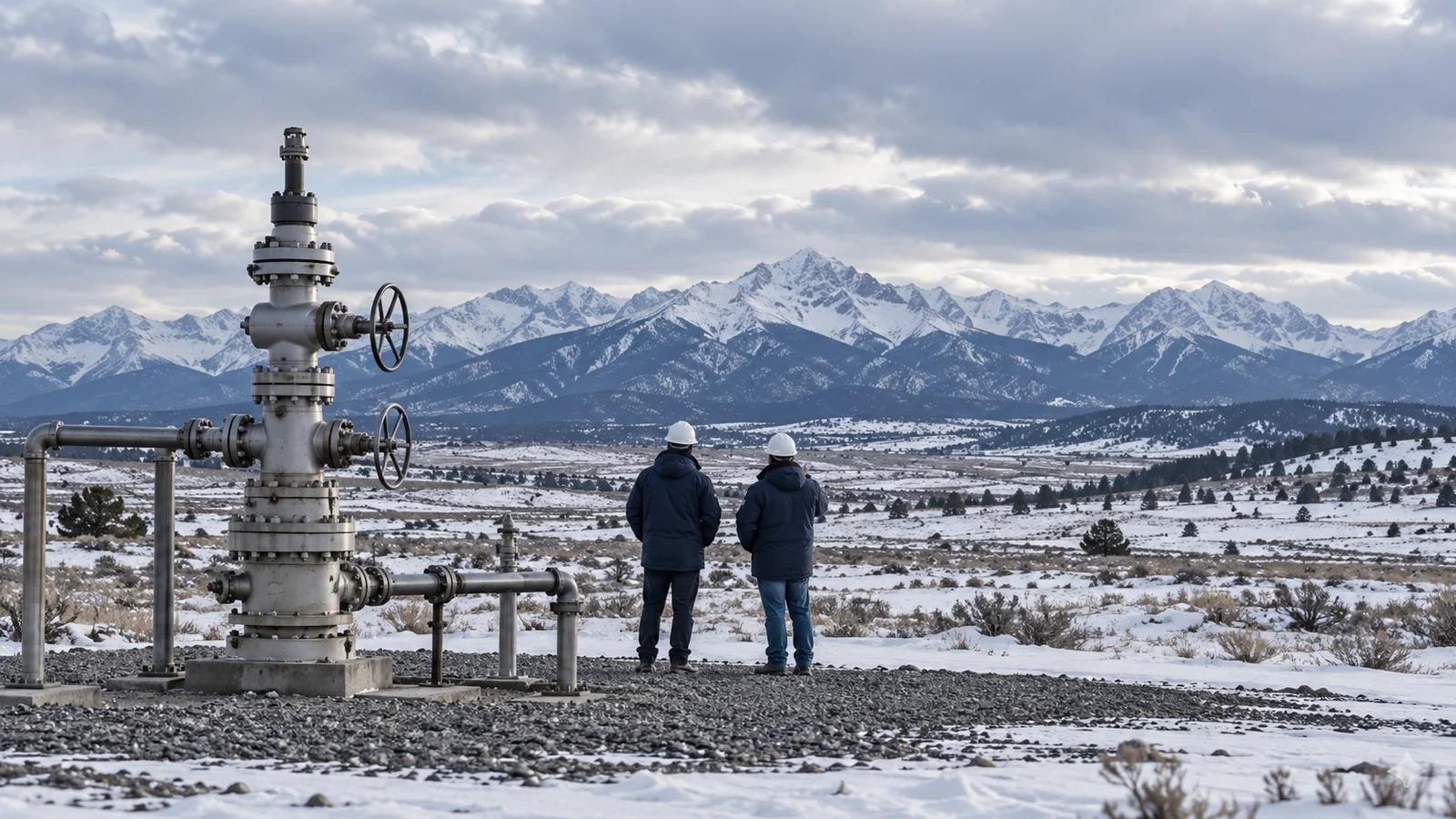
EPA has filed a final rule approving Colorado's application to take primary enforcement responsibility for Class VI injection wells used for geologic carbon storage. The rule was filed October 9 and is scheduled to publish October 13. The transfer has not yet taken effect.
Who would issue permits
Colorado's Energy and Carbon Management Commission would issue and enforce Class VI permits outside Indian lands. EPA would remain the permitting authority for Class VI wells on Indian lands within the state.
Primary enforcement responsibility, called primacy, means administering a program that meets the Safe Drinking Water Act's requirements. It is an approval of the state program, not an approval of every proposed well or a guarantee that a particular storage project can proceed.
The rule also codifies previously approved, non-substantial changes to Colorado's Class II injection-well program. EPA describes that part as updating federal regulations to reflect earlier approvals, rather than newly approving those revisions.
Drinking-water protections
Class VI permits require site characterization, modeling of the area affected by injection, checks for possible fluid-migration pathways, well-construction protections, operating limits, and testing and monitoring. Requirements extend beyond the end of injection through post-injection care and site closure.
The document lists financial-assurance mechanisms, emergency and remedial response plans, and reporting among the requirements. Each draft Class VI permit is made available for public comment before the permitting authority decides whether to issue a final permit.
EPA says it reviewed Colorado's program and found it meets the requirements for primacy. That is the agency's program-level determination; this record does not independently evaluate groundwater risks at any individual site.
Oversight and timing
EPA retains continuing oversight. It requires quarterly reports on permittee noncompliance and annual program performance reports. The incorporated state provisions and permit conditions are also enforceable by EPA.
The inspection PDF gives an effective date 30 days after publication. The Register's document record lists November 12, 2026, for the scheduled October 13 issue. The dates for incorporation by reference and promulgation for judicial purposes are publication-based and distinct from that effective date.
The final printed rule could differ from the inspection copy. Nothing in this record states that a named company's permit has been issued or that a particular well has started operating.