
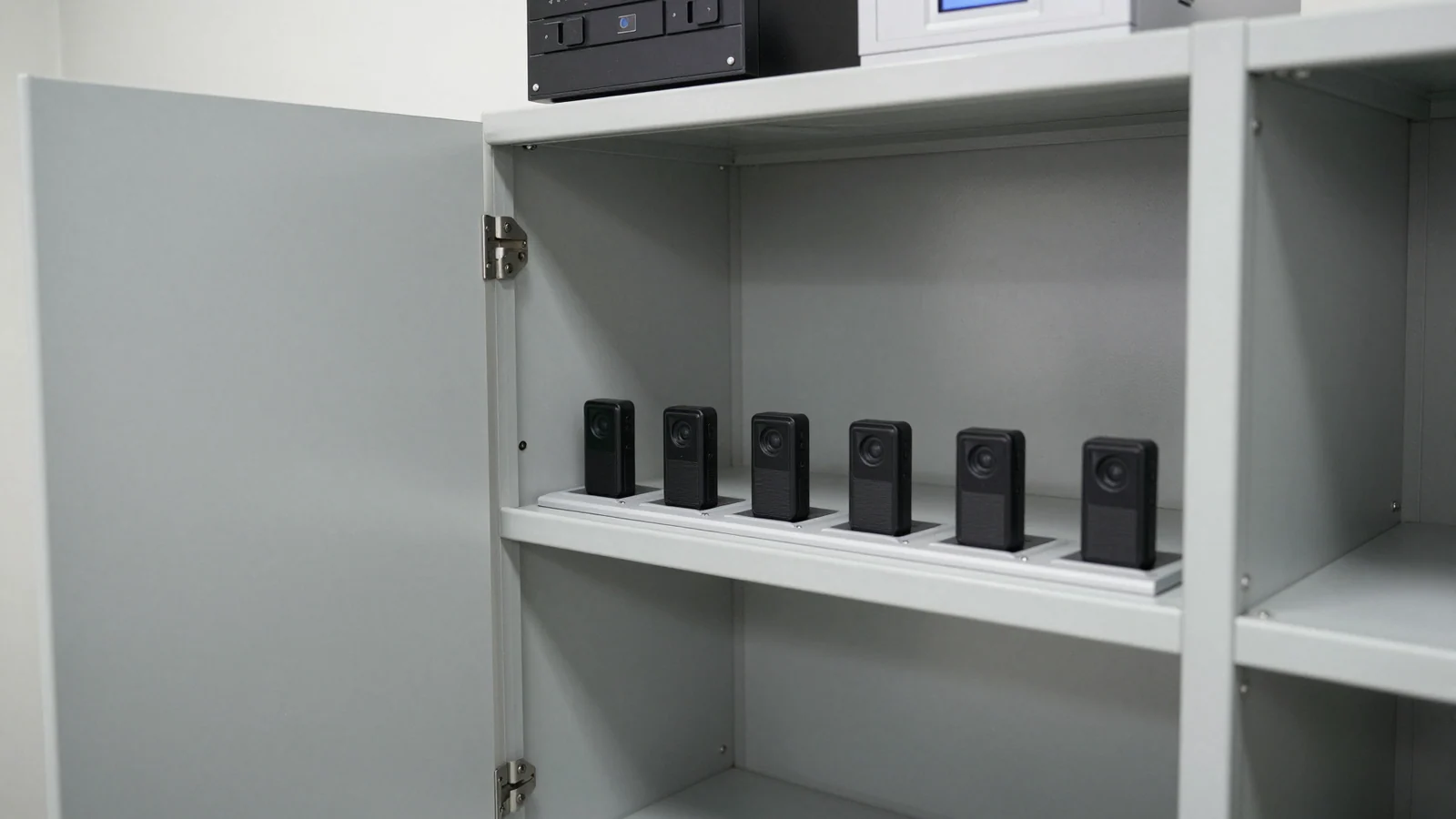
GAO says Customs and Border Protection and Immigration and Customs Enforcement need stronger planning, operational guidance and measures of success for their body-worn camera programs.
The report was published September 15 and publicly released October 14, 2026. Its public summary identifies gaps between the cameras deployed and the agencies' ability to assess what their programs accomplish.
Cameras counted at different times
GAO's product page says CBP had deployed about 11,500 cameras as of June 2026, nearly all within the Border Patrol.
It says ICE had deployed about 4,800 as of April 2026, divided almost evenly between Enforcement and Removal Operations and Homeland Security Investigations.
Those are different agencies observed at different times. Adding them would not establish a current combined inventory. A deployment count also does not show how often cameras recorded required encounters, whether recordings were retained or what happened in any particular incident.
Plans and guidance need work
According to GAO, CBP last updated its program plan in 2022 and ICE in 2024. The plans did not reflect subsequent changes, including a 2025 pause in deployment.
GAO also identifies gaps in operational guidance across offices and a lack of results-oriented goals and performance measures.
That distinction matters for oversight: distributing equipment and measuring whether a program achieves its intended results are separate tasks.
Seven recommendations remain open
The product page lists seven recommendations, all marked open when read October 15. The Department of Homeland Security agreed with six and disagreed with one concerning automated camera-activation controls at ICE.
Agreement is not implementation. An open recommendation remains a question for follow-up until the agency's response and GAO's assessment establish the action taken.
This report reads GAO's product page and recommendation entries. It does not inspect camera footage, resolve an allegation concerning an individual officer or independently assess the underlying interview evidence.