
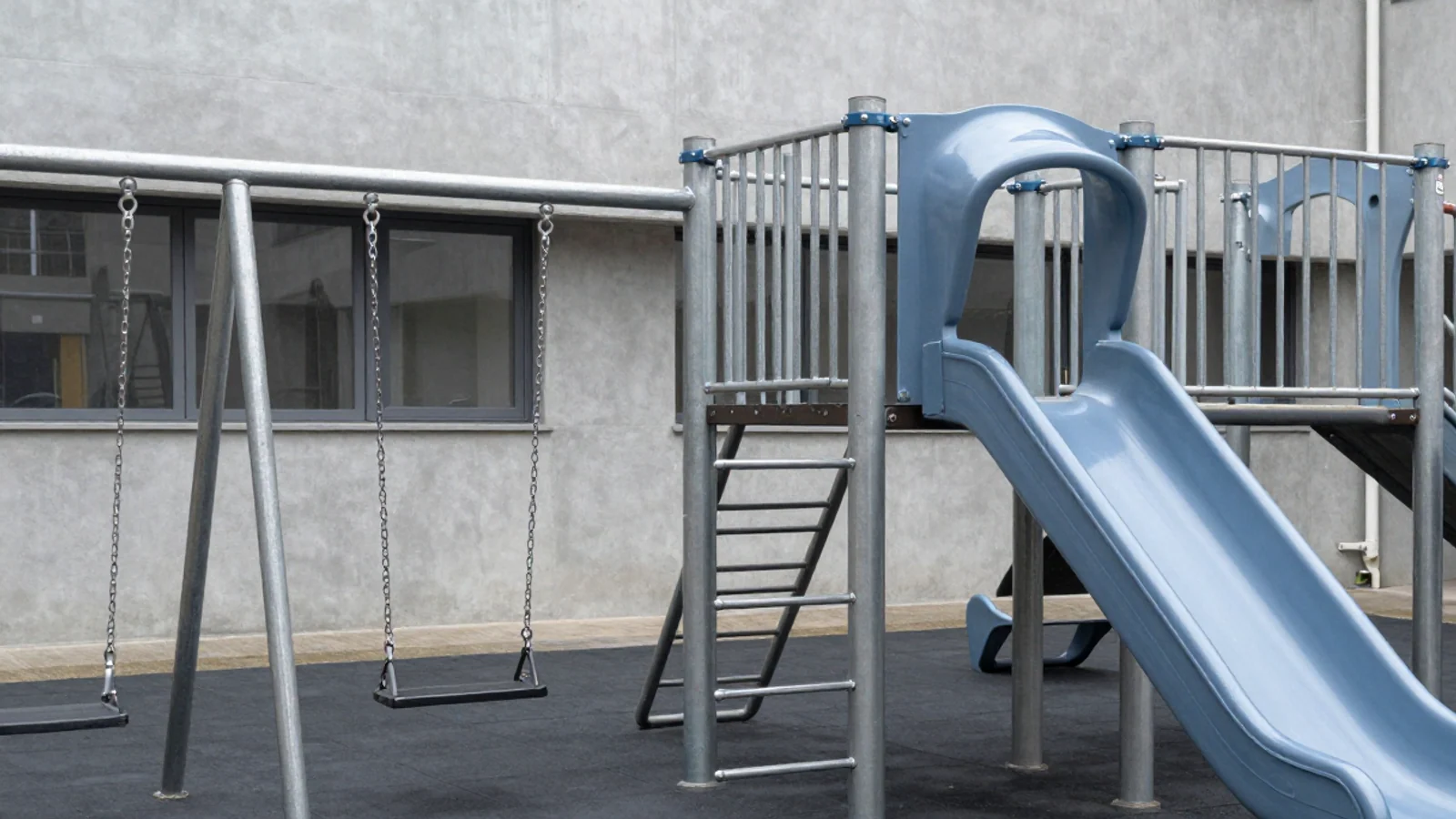
The Federal Trade Commission and state attorneys general sued on October 19 to block PlayPower's proposed purchase of BCI Burke. They allege that combining the commercial outdoor playground manufacturers would raise prices and reduce service, quality and innovation for schools, parks, churches and other buyers.
The complaint was filed in the U.S. District Court for the Northern District of California. It seeks a permanent injunction; it is not a court finding that the proposed acquisition is unlawful.
The purchasing stakes
The complaint says commercial playground customers often spend $50,000 to more than $1 million on a playground. It alleges that five companies, including PlayPower and Burke, own more than a dozen brands and hold 85 to 90 percent of the U.S. market.
PlayPower's portfolio already includes Miracle Recreation Equipment Company, Little Tikes Commercial and Playworld Systems. The plaintiffs allege that Burke competes closely with those businesses on price, delivery times, product design and customer support, and that the acquisition would eliminate that rivalry.
The FTC's announcement identifies Arizona, California, Colorado, Illinois, Nevada, North Carolina, Ohio, Pennsylvania, Tennessee, Texas, Washington and Wisconsin as participating states.
Sales representatives are part of the case
The complaint also addresses independent firms that sell manufacturers' equipment. It alleges that competition between PlayPower and Burke helps representatives obtain better commissions and service terms, even when they do not switch manufacturers.
The plaintiffs argue that reduced choice could leave those representatives facing worse terms, with effects also reaching the customers they serve. Those are predicted consequences in the plaintiffs' case, not documented results of a completed merger.
What the filing does and does not show
The complaint says the parties stipulated to entry of a temporary restraining order while the court considers the case. That statement does not itself establish that the court entered an order. The requested final remedy is to prevent the acquisition.
The public complaint redacts many passages from internal company records. It supplies the plaintiffs' account of the transaction and competitive evidence. It does not supply a merits judgment or the defendants' answer, and this report does not establish the outcome of the lawsuit.