
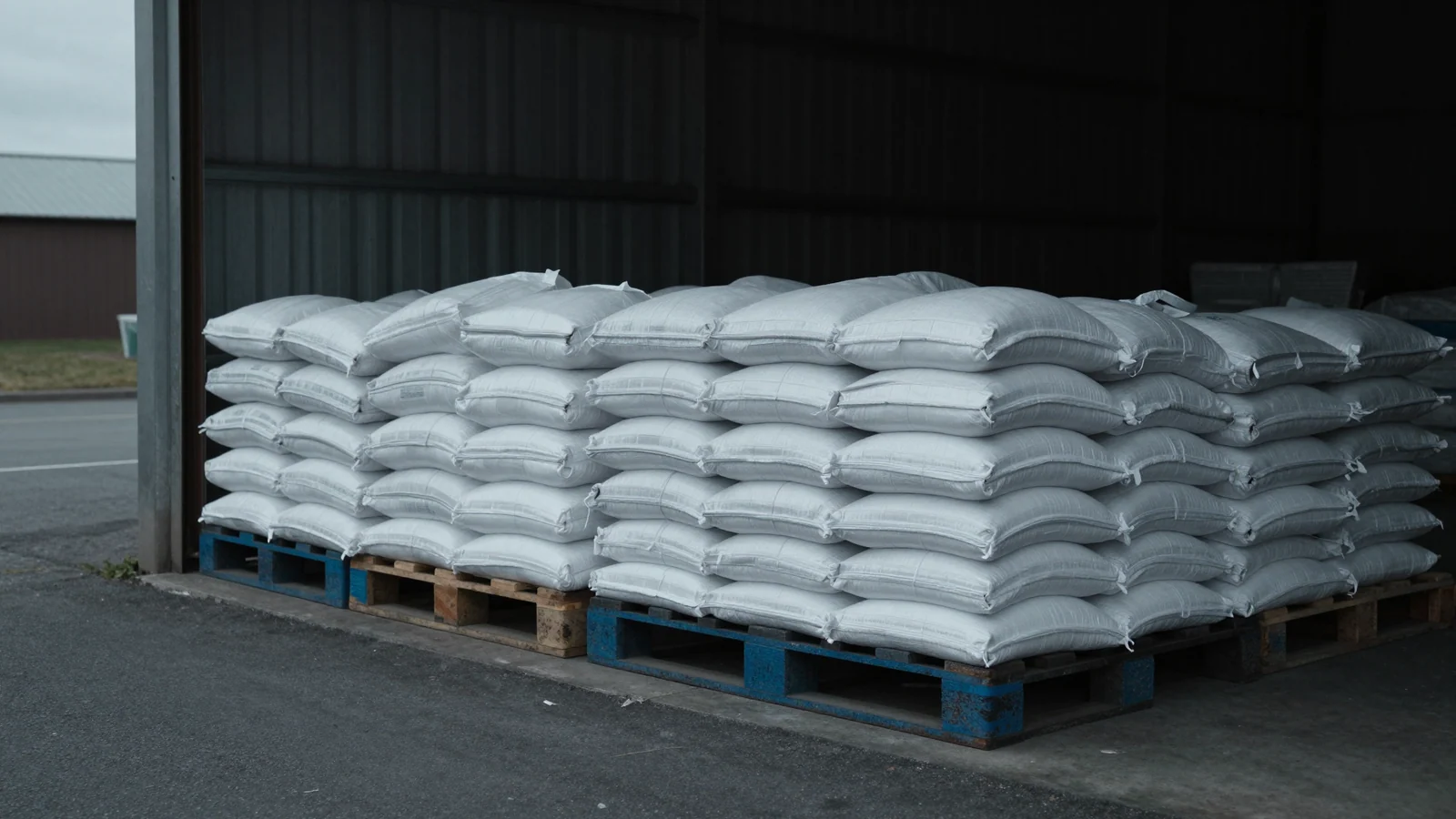
Monthly food aid in Gaza is expected to reach fewer than one million people from October onward, the UN Office for the Coordination of Humanitarian Affairs reports, while 11 water, sanitation and hygiene partners warn they might have to stop trucking drinking water in the coming months.
OCHA's report is titled October 22 and appears on a page dated October 26. Its Gaza reporting period is October 12-18 unless otherwise specified; some updates extend beyond that period.
Food assistance is expected to shrink
The report says Food Security Sector partners reached around 1.3 million people in September with some form of food assistance, including parcels, cash and vouchers for food.
Its funding section expects monthly reach to fall below one million from October onward, after food-parcel and flour distribution for around 500,000 people per month was suspended. That is a projection, rather than a complete count of people assisted during October.
OCHA says rations remain at approximately 50 per cent of minimum caloric requirements, and most families receive them on a rotational basis rather than every month. These are the report's assessments, not an independently measured account of every household's food intake.
A warning about drinking-water deliveries
The 11 partners' warning concerns delivery of drinking water by truck. OCHA says discontinuing that service would affect about 360 of 3,500 water distribution points. The figures count distribution points, not people; the report does not say the threatened closures have already occurred.
The report also describes water-system repairs and continuing supply constraints. Repairs to the Gaza city Mekorot line restored drinking-water supply to September levels, while the Southern Gaza Desalination Plant continued operating below its potential capacity amid a lack of replacement membranes and spare parts.
Shelter and medical supplies remain constrained
OCHA reports that about 60 per cent of the Shelter Cluster's $283 million requirement for preparing families for the cold and rainy season remains unmet.
The report also identifies gaps in trauma, surgical and rehabilitation supplies, and shortages of specialized medicines for noncommunicable diseases. Those supply and funding assessments describe different services and cannot be combined into a single count of people without assistance.