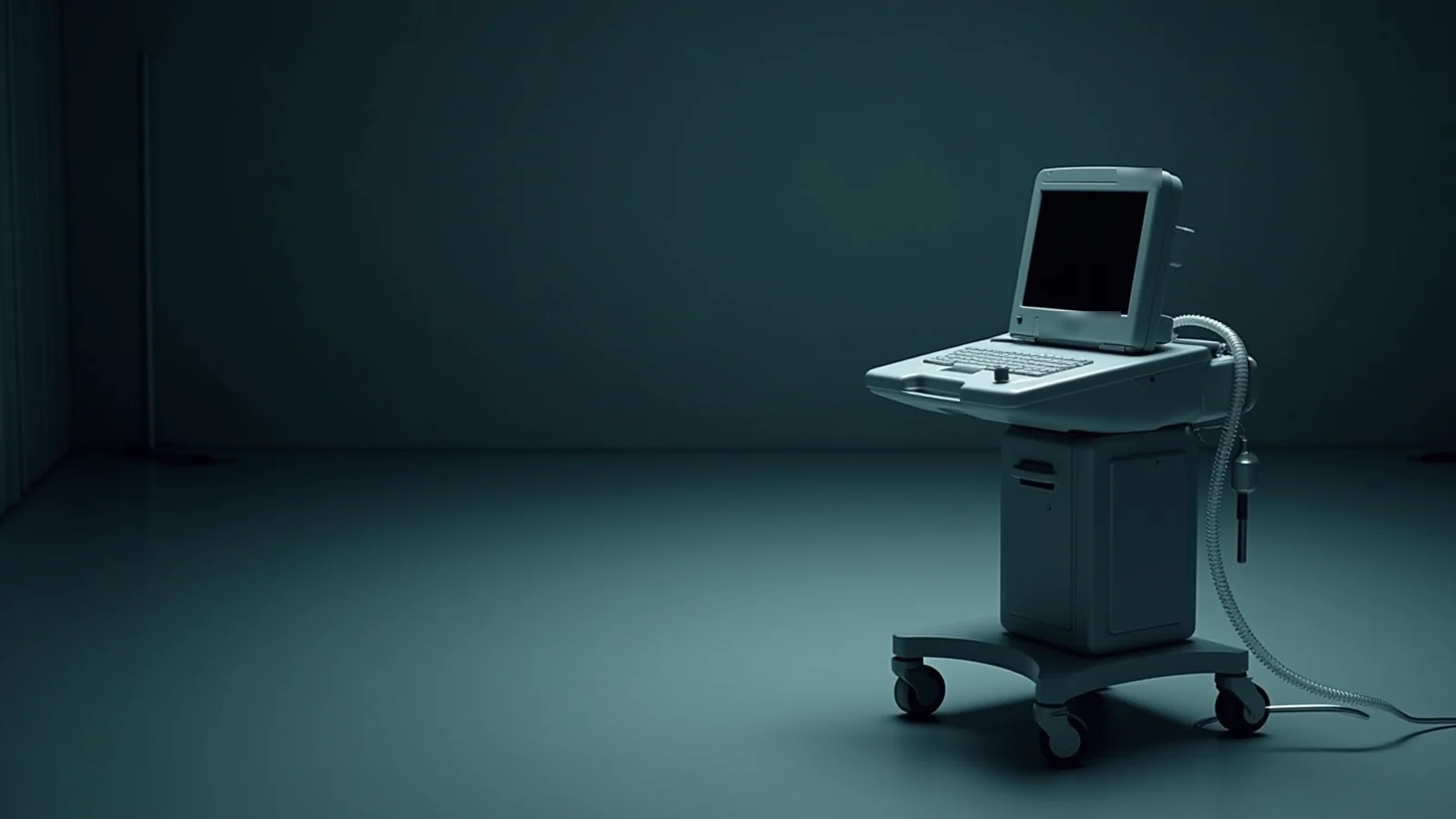
The Impella is a temporary heart pump delivered on a catheter, used to take work off the heart and support circulation while it recovers. It is run from a console, the Automated Impella Controller. On September 24 the Food and Drug Administration updated its notice on Abiomed's removal of those controllers to say it has classified the action as a Class I recall.
The FDA has identified this recall as the most serious type. This device may cause serious injury or death if you continue to use it.
As of August 17, the notice says, "Abiomed has reported 37 serious injuries and three deaths associated with this issue."
What fails
Inside the controller's purge pressure sensor assembly is a part called the purge flag. It "engages with the purge disc and allows the AIC to recognize that the purge disc is inserted properly." When it fails, the controller raises an alarm: "Purge Disc Disconnected" during setup, "Purge Disc not Detected" while the pump is supporting a patient.
If reinserting the disc does not clear the alarm, the controller has to be swapped, and the notice spells out what that costs. Before support starts,
there may be a delay to the procedure. In cases involving hemodynamic instability, this delay may result in a prolonged period without mechanical circulatory support.
During support, the pump keeps running "while purge delivery is stopped and the AIC exchange is planned", and the exchange itself means "the brief interruption of support."
A removal in which the devices stay
The scope is total: "All AIC units globally are in scope of this removal". But the same notice tells hospitals: "While awaiting replacement from Abiomed, hospital inventory can continue to be used to ensure continuity of care."
Hospitals may keep them in service until Abiomed's service team replaces the purge flag and purge retainer components, work the notice says "will be done through annual preventative maintenance or individual outreach by Abiomed's service team." It gives no completion date. It also warns that "Improper cleaning can cause damage to plastic components including the purge flag."
The numbers
- 37 serious injuries and three deaths reported by Abiomed as of August 17.
- 10,754 units in commerce across the three recall entries (5,232, 1,422 and 4,100), 7,005 of them in the United States.
- Three US product codes: 0042-0000-US, 0042-0010-US and 0042-0040-US.
- Abiomed initiated the recall on August 12, 2026; FDA issued an Early Alert on September 3, posted the database entries September 16 and announced the Class I classification September 24.
- The database lists the cause as "Under Investigation by firm" and the recall as open.
What hospitals are told to do
- If the alarm appears, "first reinsert the purge disc to address the alarm. If that action does not clear the alarm, switch to a backup Automated Impella Controller."
- Clean the housing with mild detergent as the instructions for use specify, and keep annual preventive maintenance.
- Questions go to Abiomed at (978) 646-1400. Problems can be reported to FDA's MedWatch program, which the notice says is open to health care professionals and consumers.
The notice gives no separate instruction to patients.
A second alert on the same controllers
On a separate page, current as of September 23, FDA posted an Early Alert on a separate Abiomed action covering the same three US product codes. Abiomed's September 18 letter followed "a retrospective review of servicing records" that found certain controllers needing hardware, firmware or software updates, for problems including a potential failure to recognize the purge cassette, "a sticking, unreliable button" and "an instability that could result in start-up failure". Its spreadsheet lists 237 serial numbers. As of September 8, Abiomed had reported no serious injuries or deaths for that issue. The page assigns no recall class; FDA says it is reviewing the issue.
What the record does not say
- Whether the failure caused the three deaths. The phrase "associated with" is reporting language, not a finding of cause.
- Where the injuries and deaths occurred, or whether the count has grown since August 17.
- When the phased replacement will be finished, or how many controllers have been serviced so far.
- Whether the three database entries overlap.