
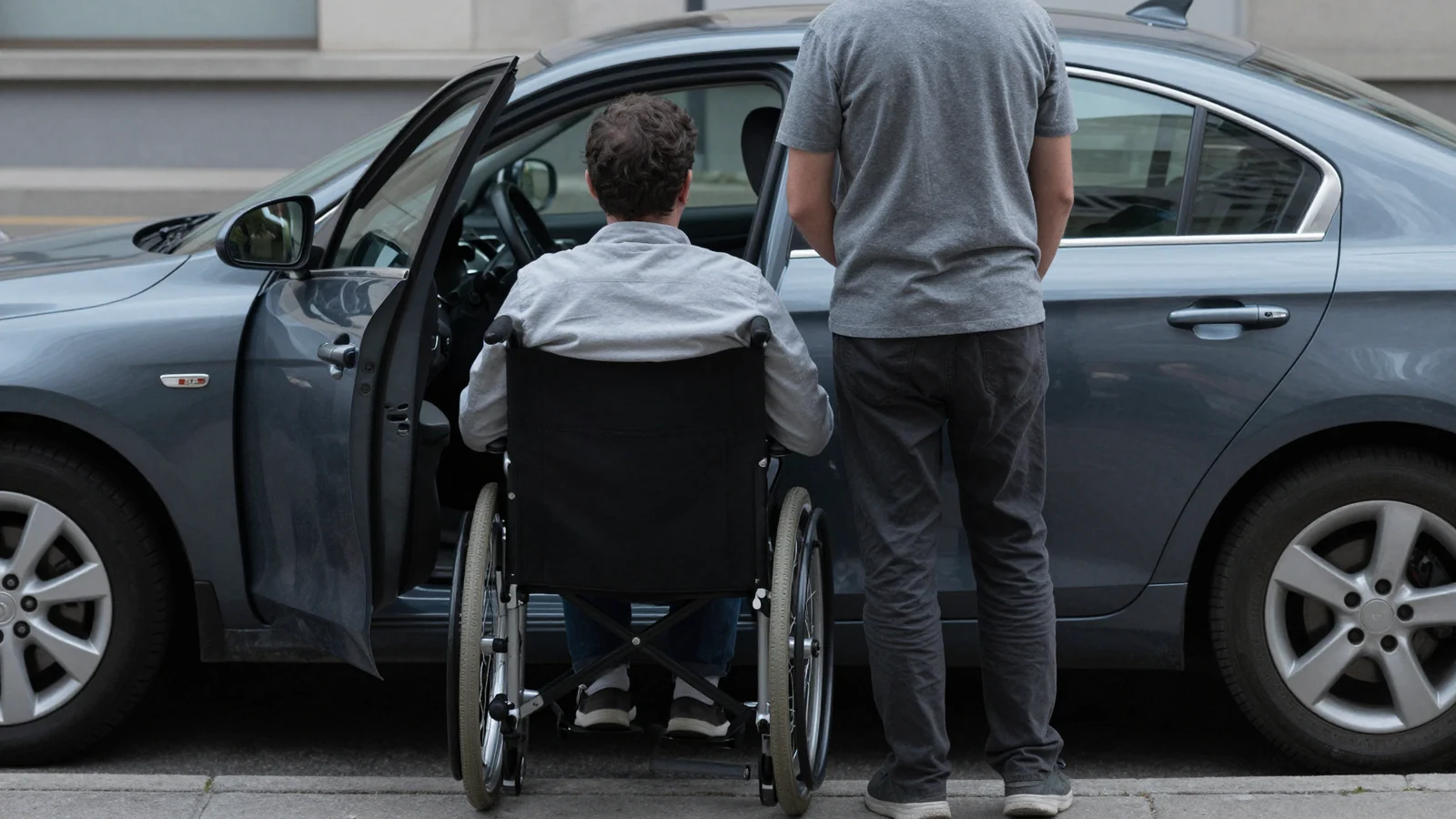
The Justice Department sued Lyft on November 9, alleging that the company and its drivers routinely denied rides to people traveling with service animals or stowable wheelchairs. The civil suit also challenges cancellation fees charged after allegedly unlawful service denials.
What the government alleges
The complaint, submitted in the Northern District of California, alleges violations of Title III of the Americans with Disabilities Act. DOJ says Lyft failed to prevent disability discrimination, train drivers and customer-service staff adequately, and provide effective responses to complaints.
The alleged barriers extend beyond refusing a trip. The complaint says drivers refused reasonable requests from passengers with mobility disabilities to sit in the front seat when necessary. It also alleges that some passengers pay extra for alternative transportation to avoid ride denials. Individual accounts describe a missed work meeting and a dentist appointment that had to be rescheduled after service denials.
These are allegations in a civil enforcement action, not findings that Lyft is liable.
What the lawsuit seeks
DOJ's announcement says it seeks $53 million for people with disabilities who experienced the alleged discrimination and submitted complaints to Lyft or the department. It also seeks a court order requiring Lyft to change its policies, stop discriminatory conduct and train staff and drivers on their ADA obligations.
The complaint requests monetary damages and a civil penalty. Neither the complaint nor the announcement establishes that a court has awarded those payments. They do not announce a settlement or a compensation-claim deadline.
Where passengers can report concerns
DOJ directs people reporting possible federal civil-rights violations to its civil-rights reporting portal. Its announcement also lists the ADA Information Line at 800-514-0301, with TTY service at 1-833-610-1264, for information about the law.
The release distinguishes a trained service dog from an emotional-support dog: under the ADA description it gives, providing emotional support alone is not a task related to a person's disability.