
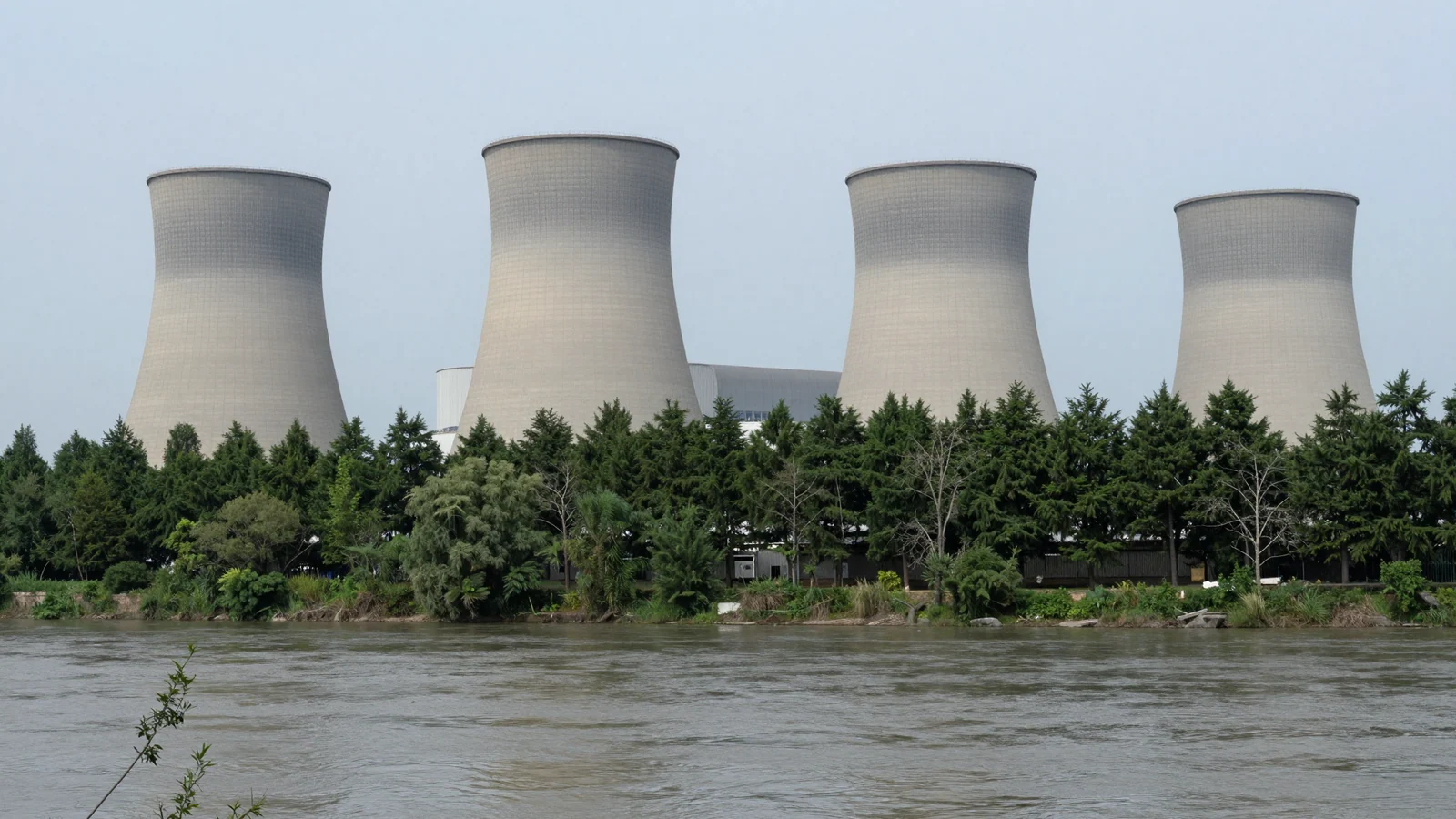
The Nuclear Regulatory Commission has finalized changes to the procedures people use to contest nuclear licensing actions. Published November 3, the rule takes effect December 3, 2026, and applies to contested adjudicatory proceedings noticed on or after that date.
It revises hearing requests, scheduling and other litigation procedures. It does not grant a particular license or decide an individual objection.
Different request periods
For proceedings covered by revised section 2.309(b)(3), a hearing request or intervention petition and its contentions must be filed within the following periods after publication of the notice in the Federal Register:
- 60 days in a Standard Proceeding, or a proceeding under sections 52.103 or 53.1452.
- 30 days in an Expedited Proceeding, or for a request under section 2.108(b)(2) concerning denial of an application.
- 45 days in a Focused Proceeding.
The provision excludes proceedings covered by paragraphs (b)(1) and (b)(2). Readers therefore need the actual notice for their proceeding rather than assume one deadline applies to every licensing action.
The rule requires the relevant Federal Register notices to state applicable filing deadlines for requests, petitions and contentions, including late filings, and deadlines for answers and replies. They must also state a Standard Hearing Completion Date when section 2.1207 specifies one.
What admission still requires
A person seeking party status must submit a written hearing request and specify the contentions they want litigated. The rule says the request or petition will be granted if the decision maker determines that the person has standing under paragraph (d) and has proposed at least one admissible contention meeting paragraph (f). A contention is the disputed issue the person seeks to have heard; filing an objection alone does not guarantee admission.
For petitioners seeking to intervene in a high-level radioactive-waste repository proceeding, the decision maker must also consider any failure to participate as a potential party in the pre-license application phase.
Scheduling after an issue is admitted
The presiding officer must consult the parties and enter a scheduling order as soon as practicable, no later than 10 days after admitting a contention. The order sets time limits for concluding discovery, the schedule for written or oral hearing components, and the expected initial-decision date.
For proceedings subject to section 2.1207's timeframes, the officer must immediately proceed to the evidentiary hearing phase unless participating NRC staff cannot yet take final positions, or staff or the applicant intend to seek dismissal or summary disposition. These express exceptions matter: the rule does not require every hearing to begin immediately regardless of circumstances.
The agency says its changes aim to shorten adjudications and align them with licensing reviews. That is the rule's purpose, not proof of how quickly a future case will finish.