
An Oklahoma medical-equipment company owner was sentenced October 8 to 14 years in prison for a scheme involving false claims to Medicare, TRICARE and CHAMPVA, according to a Justice Department release dated October 9.
DOJ says Mark Loftis was convicted of conspiracy to commit health care fraud and wire fraud after a 12-day jury trial ending in July 2026. This is a report of a conviction and sentence, rather than a newly filed allegation.
Claims and payments
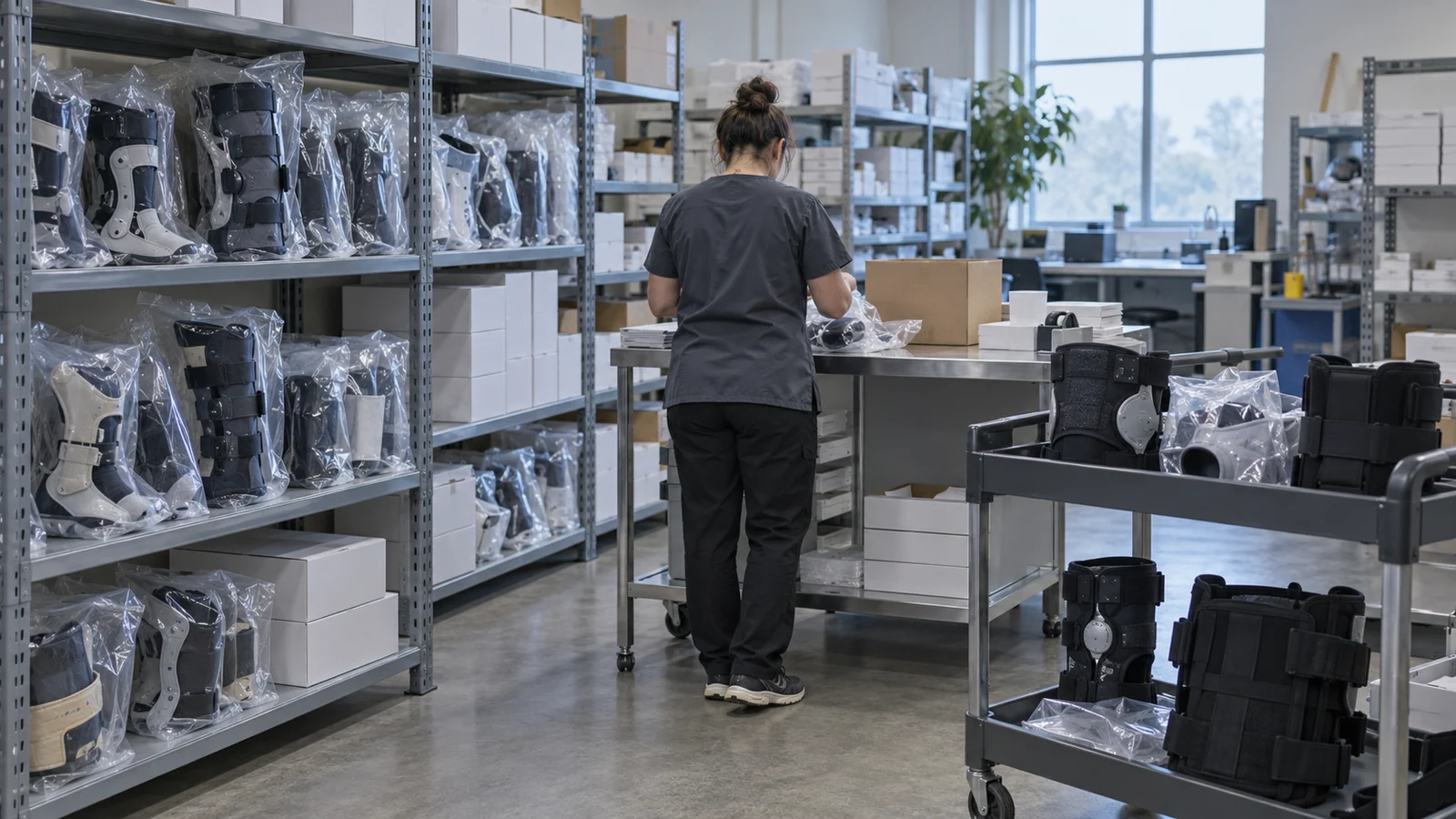
According to DOJ's account of court documents and trial evidence, Loftis and his co-conspirators submitted over $30 million in false claims and were paid over $8 million. The release covers orthotic braces, continuous glucose monitors and other durable medical equipment that beneficiaries did not want or need.
The amounts are distinct. Submitted claims describe what the scheme billed; payments describe what it received. The release does not establish that the programs paid $30 million.
DOJ says the court also ordered over $8 million in restitution and forfeiture of over $560,000. It does not say those amounts have already been collected. Restitution orders and completed recoveries are different stages.
How DOJ describes the scheme
The company was Back Pain Home Supplies LLC, doing business as EZ Medical Supply. DOJ says the participants concealed ownership and management information from Medicare and hid that unenrolled entities were billing through the company.
It reports over $1 million in illegal kickbacks to marketers, purported telemedicine companies and a call center. The call center persuaded elderly and disabled beneficiaries to disclose personal information and receive equipment they did not need, the release says.
Participants also bought sham orders from telemedicine doctors and nurse practitioners who never examined, and often never spoke with, the beneficiaries. Multiple braces were frequently billed together; DOJ gives an example of eight braces for one beneficiary.
What this record establishes
The source is DOJ's public account. The judgment and trial evidence were not independently inspected here, and no participant's private medical records are reproduced. The release supplies no comprehensive beneficiary count and no collected-recovery total.
Its October 9 publication date is separate from the October 8 sentence date. Keeping those dates and the financial categories separate avoids turning a release headline into a claim it does not support.