
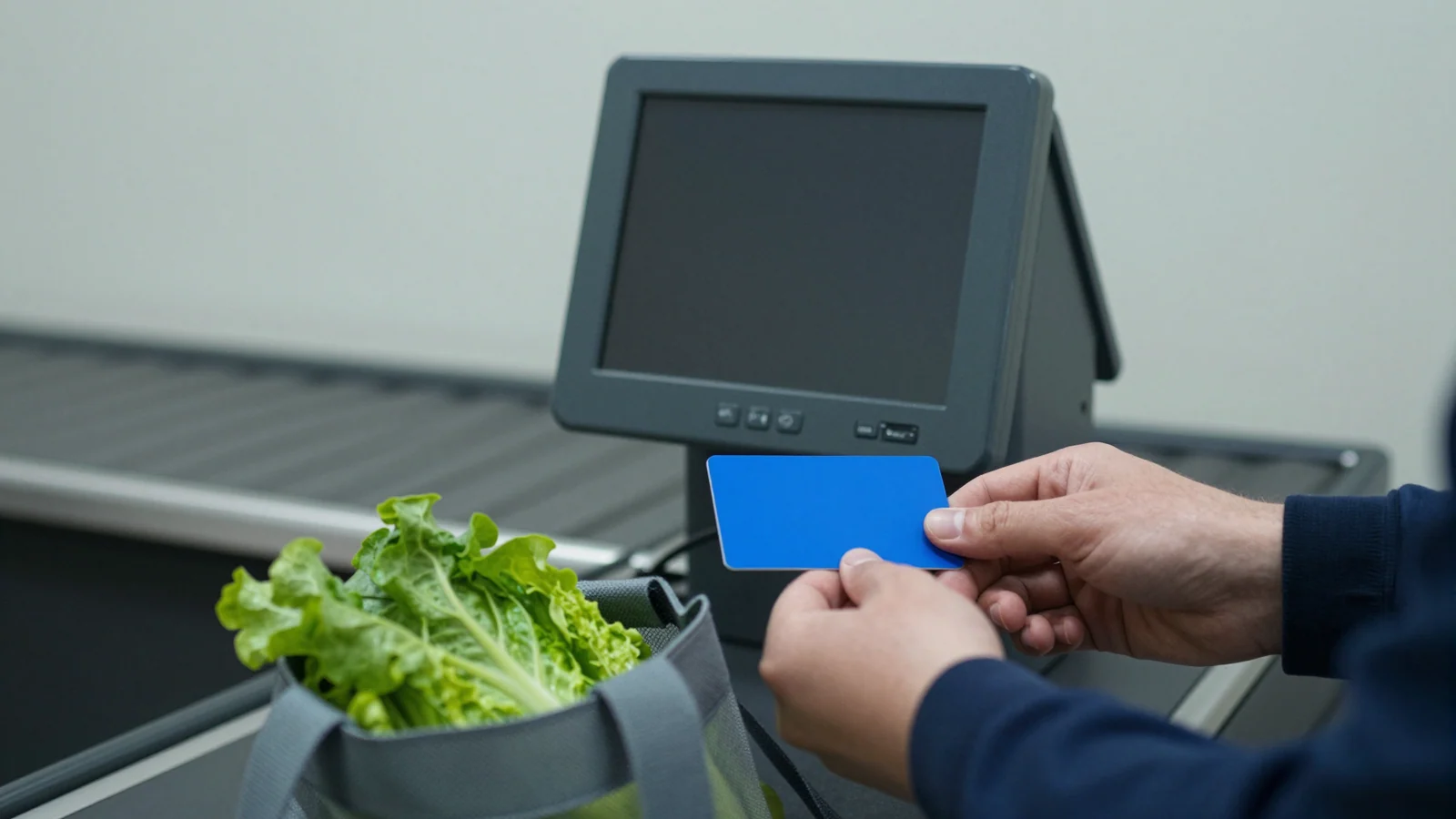
USDA proposed a national update October 23 that would require more secure SNAP payment cards and give households more ways to control access to their food benefits. The proposed rule includes chip and contactless payments, account locks and transaction alerts. It is open for comment, rather than a new nationwide card deadline already in force.
What would change at checkout
The Food and Nutrition Administration proposes moving SNAP to cards with electronic chips and near-field communication, the technology used for tap-to-pay. Its proposed transition period is two years after publication of a final rule. That clock has not started with this proposal.
States would need to notify households and retailers before changing payment methods. USDA says magnetic-stripe transactions would remain necessary during the transition, including when chip transactions fail or shoppers cross state borders. It seeks comments on eventual removal of magnetic stripes; it does not set their elimination date here.
Cards replaced because they expire or because the benefit-delivery method changes would not count toward the threshold for excessive card replacements. States could not charge a replacement fee in those circumstances. The proposal also distinguishes a physical card's expiration from expiration of benefits or the end of a household's eligibility period.
What households could control
States would have to offer a minimum set of participant-selected account options, including:
- Blocking out-of-state purchases, online purchases or all transactions.
- Purchase and account-activity alerts by email or text, including notices of PIN changes.
- A maximum transaction amount chosen by the household, above which purchases would be blocked.
Households would need ways to choose the options through a cardholder portal, a mobile application or equivalent mobile website, by telephone and in person. The proposal says disability or a primary language other than English should not restrict those choices.
Other proposed safeguards include blocking common, easily guessed PINs and issuing cards that stay inactive until their recipients enable them. Automated telephone balance inquiries would require secured verification information. USDA also proposes more household training on benefit theft, security features and reporting responsibilities.
The proposal does not introduce virtual EBT cards on mobile devices. USDA says a separate mobile-purchasing pilot is still underway.
Comments and the replacement limit
Written comments must arrive by December 22, 2026, to be assured consideration. The notice lists the federal rulemaking portal, email and mail routes under docket FNS–2025–0137. Comments and the submitter's identity would be publicly disclosed.
The proposal concerns preventing theft and improving account access. It does not announce a new general entitlement to reimbursement. USDA says the temporary authority to replace stolen SNAP benefits with federal funds expired December 20, 2024. It also cautions that historical replacement-claim data do not capture the full scope of theft. The notice therefore cannot establish either a current national theft total or whether an individual household can obtain replacement benefits.