On September 21 the Federal Aviation Administration published a proposed airworthiness directive for three versions of Boeing's 737: the 737-8, the 737-9 and the 737-8200. An FAA directive from November 2020, AD 2020-24-02, refers to the 737-8 and 737-9 as the 737 MAX. Here is what prompted the new proposal, in the agency's words:
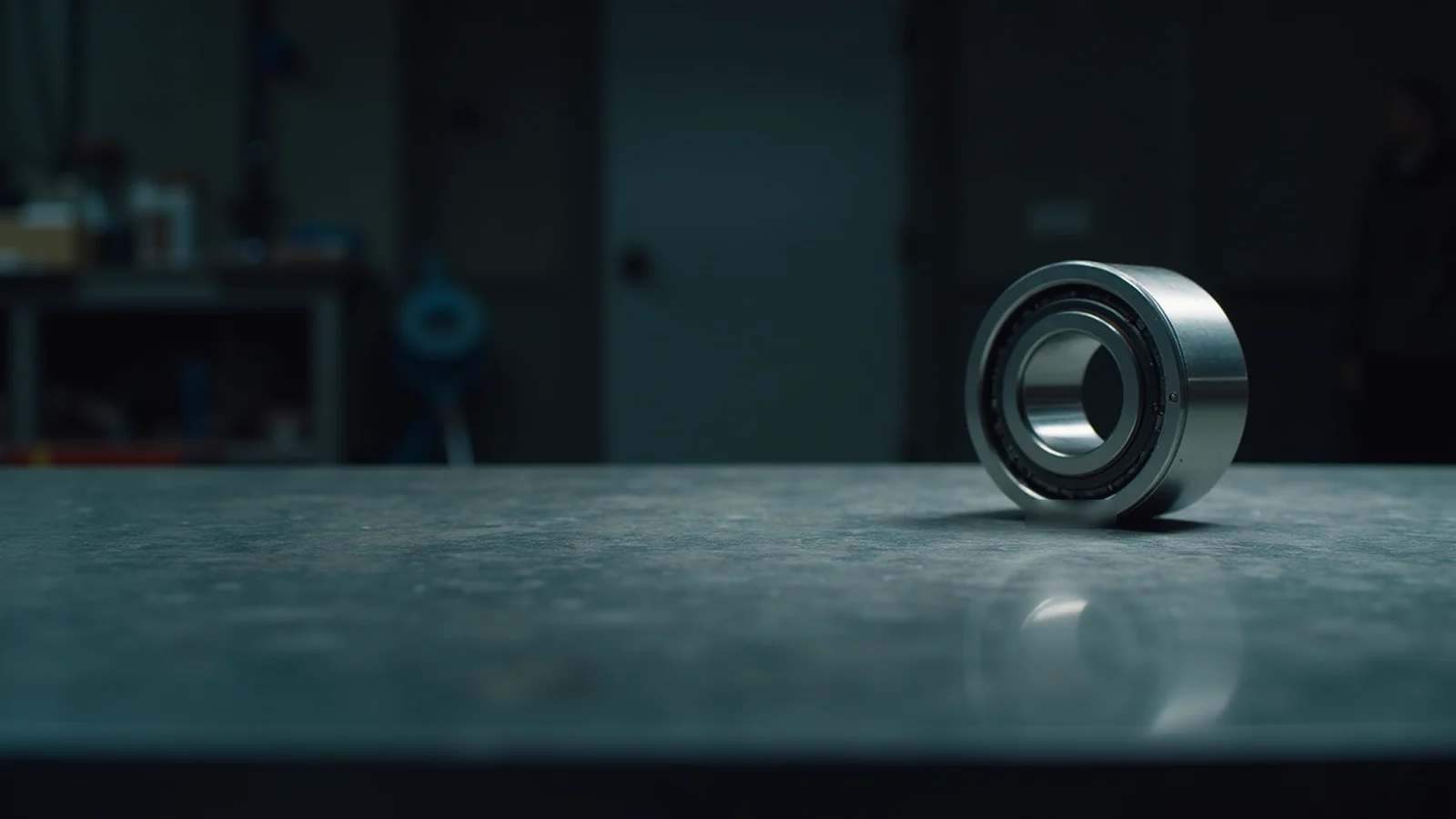
The FAA has received a report indicating that bearings in the elevator buss assembly could have been installed incorrectly (including being installed without the application of sealant) during production.
The proposal then explains why that matters:
The elevator buss assembly is part of the elevator controls system and assists in the movement of the control columns. Improper installation of bearings could lead to cracking in the elevator buss assembly bearings and bearing housings, which could lead to premature failure of the elevator buss assembly crank arms. This condition, if not addressed, could impact elevator pitch control and affect continued safe flight and landing of the airplane.
The deadline is in the docket
The proposal gives no inspection deadline itself. It would require the actions in Boeing Alert Requirements Bulletin 737-27A1331 RB, dated December 17, 2025, and refers readers to the docket "For information on the procedures and compliance times".
The bulletin, which this desk read there, calls for one detailed inspection of the bearings and housings, then a push-out load test if no crack is found and sealant is present. Both are due at whichever is later: 126 months after the bulletin's issue date, or 126 months after the airplane's original standard or export certificate of airworthiness. No repeat is set. Where the bulletin counts from its own issue date, the proposed rule says "this AD requires using the effective date of this AD".
So an airplane already flying when a final rule takes effect would have 126 months, ten and a half years, from that date to be inspected. For a crack, missing sealant or a failed load test, the bulletin's time for the fix is "Before further flight."
The numbers
- 95 airplanes of U.S. registry, by the FAA's estimate. By this desk's count the bulletin lists 222 airplanes by line number in all.
- Inspection: 23 work-hours at $85 an hour, $1,955 per airplane and $185,725 for U.S. operators.
- Replacements, if needed: $1,105 to $1,809 per bearing, or $98,496 to replace the whole elevator buss assembly. The FAA "has no way of determining the number of aircraft that might need these replacements".
- Warranty: "According to the manufacturer, however, some or all of the costs of this proposed AD may be covered under warranty".
Not on the list: the MAX-7
On August 3 the FAA certified the 737 MAX-7 and said the updated Production Limitation Record "authorizes Boeing to begin production of the aircraft." It said FAA safety inspectors "will remain on site at Boeing production facilities across the country to closely monitor the manufacturing process". The bearing proposal and the bulletin's list of affected airplanes name only the 737-8, 737-9 and 737-8200. Neither says whether the MAX-7 uses the same assembly.
How to comment, by November 5, 2026
Comment online through docket FAA-2026-8811 on regulations.gov, by fax to 202-493-2251, or by mail to U.S. Department of Transportation, Docket Operations, M-30, West Building Ground Floor, Room W12-140, 1200 New Jersey Avenue SE, Washington, DC 20590. Begin with "Docket No. FAA-2026-8811; Project Identifier AD-2025-01891-T". The FAA says the most helpful comments "reference a specific portion of the proposal, explain the reason for any recommended change, and include supporting data." It will post comments "without change, to regulations.gov, including any personal information you provide." The docket showed four public comments on September 27.
What the record does not say
- Who made the report, or when. No source or date is given.
- Whether anything has failed. No cracked bearing or failed crank arm in service is cited.
- When the airplanes were built. The bulletin lists them by line and variable number only.
- What some repairs cost. The FAA says it has no definitive data for some of them.
- Whether the MAX-7 is affected.
- Fault. This is a proposed safety rule, not an enforcement action, and the FAA "may amend this proposal because of those comments."
Source links
- FAA proposed airworthiness directive, Federal Register, September 21, 2026
- Full text as PDF, Government Publishing Office
- Docket FAA-2026-8811, regulations.gov
- Comment form, regulations.gov
- Boeing Alert Requirements Bulletin 737-27A1331 RB, as posted in the docket
- FAA statement on certification of the Boeing 737 MAX-7, August 3, 2026
- AD 2020-24-02 on the 737-8 and 737-9, Federal Register, November 20, 2020