
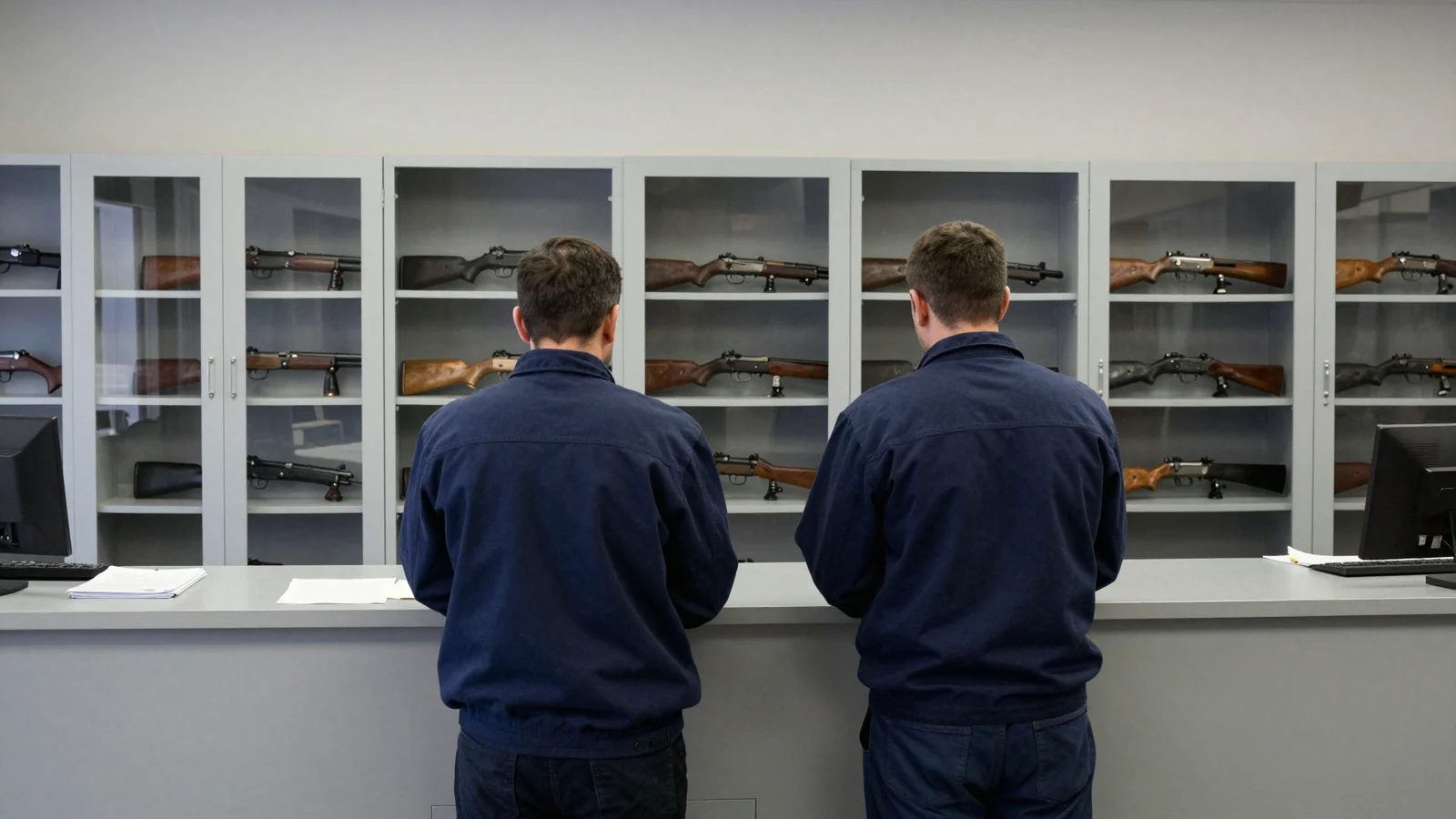
Federal firearms licensees will be able to voluntarily request FBI background checks for certain current and prospective employees under a final rule announced by the Justice Department on October 30. The employee's written consent is required, and a result that does not pass can be challenged.
Who can be checked
The option covers firearm handlers, workers at licensed manufacturers who can access unfinished firearm components or manufacturing tools, and contractors or agents whose duties give them access to firearms, ammunition or manufacturing components. People listed as a licensee's responsible persons are excluded because they already undergo checks through the Bureau of Alcohol, Tobacco, Firearms and Explosives, DOJ says.
The rule implements a provision of the Bipartisan Safer Communities Act. DOJ says its previous regulations limited licensees' access to the National Instant Criminal Background Check System, or NICS, to proposed firearm transfers. Participation by licensees under the new employee-check rule is optional.
The result and the employee's route
The FBI will search the same databases it uses for a firearm transfer. The licensee will receive a transaction number and one of three responses: “Pass,” “Pending,” or “Did Not Pass.” It will not receive the underlying record information. DOJ says a “Did Not Pass” result does not bar employment in a job without access to firearms or ammunition.
A person with that result may request the reason and appeal it in the same manner and to the same extent as someone denied a firearm transfer. Generally, a licensee may conduct one check per eligible employee every 12 months, unless it has reasonable cause to believe the employee has become subject to a potentially prohibiting event. The FBI will not charge for the checks.
The rule takes effect 30 days after publication in the Federal Register. DOJ's announcement does not say when that publication will occur. The Bureau of Alcohol, Tobacco, Firearms and Explosives is to issue separate guidance on documenting the checks.