
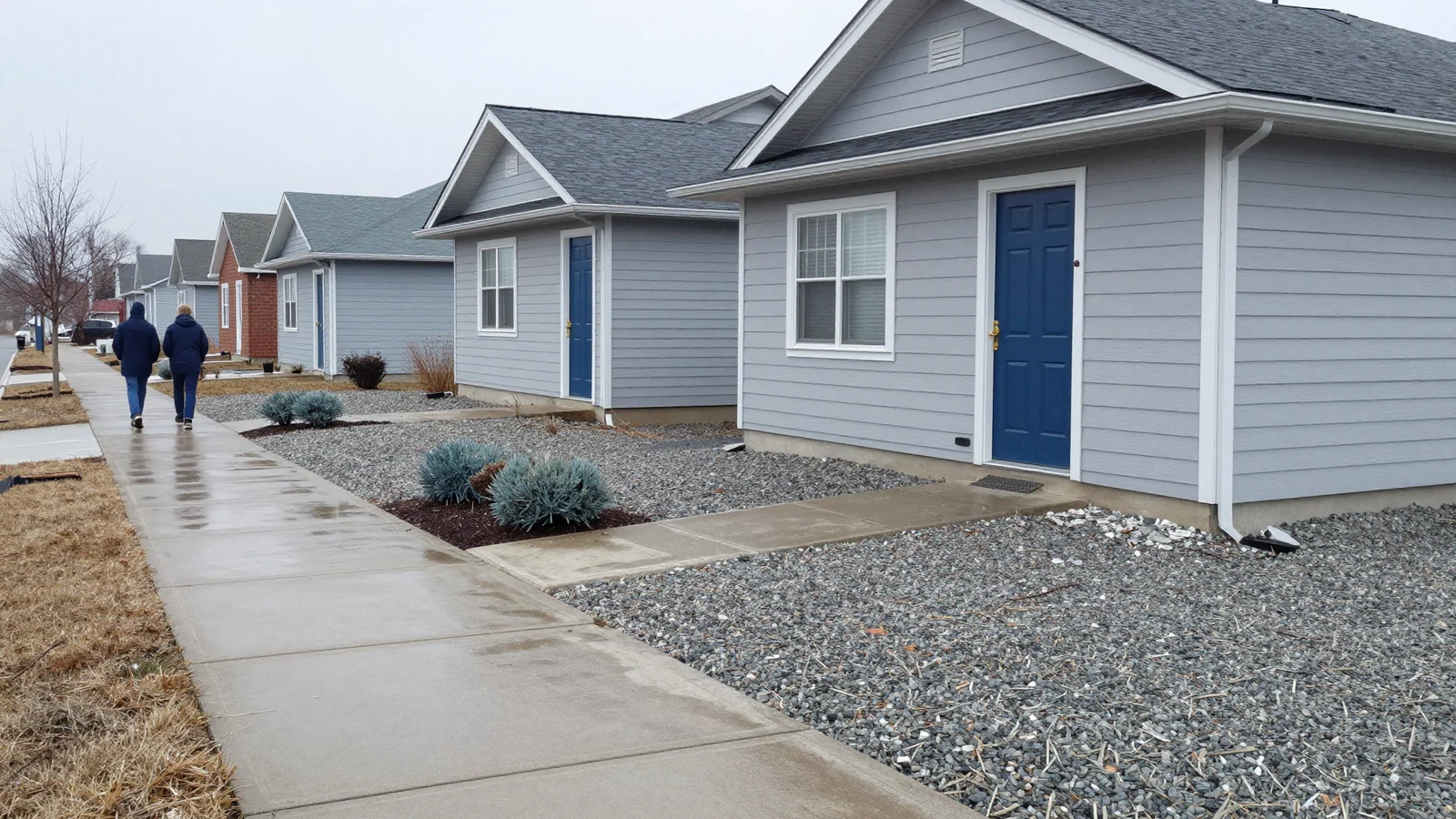
Treasury proposed rules October 23 explaining which large investors and home purchases would fall under the ROAD Act's restriction on buying single-family homes. The statute's purchase prohibition takes effect January 7, 2027. These implementing rules remain a proposal.
Which investors would be covered
Treasury describes the law as generally covering a for-profit business that invests in, owns, rents, manages or holds single-family homes and, alone or with other entities, has direct or indirect investment control over at least 350 homes. Homes acquired through an excepted purchase after the law's enactment are excluded from that count.
The proposal would treat activities pursued for rental income, investment gains, management fees or other financial gain as being in the business. Having a housing-related business alone would not establish coverage: the other statutory criteria still apply.
It also addresses investors that hold equity in another company. Proposed passive-investor treatment would require both an absence of specified director and officer links and no right to direct or block decisions about the homes. Such rights include consent or veto powers over purchases, sales, leasing, renovation or management.
Which purchases could qualify for exceptions
A qualifying program would need written policies or procedures adopted before buying the homes and reasonably designed and implemented to ensure all purchases meet applicable requirements.
For a build-to-rent program, the proposed conditions include no prior owner-occupant, purchase within 18 months of a certificate of occupancy or equivalent, and renters as the first occupants after purchase.
For a renovate-to-rent program, the investor would have to substantially rehabilitate a home that fails local structural or core-system building-code requirements at purchase, resolve all material deficiencies and spend at least 15 percent of the home's purchase price on improvements. For this calculation, Treasury proposes subtracting the land's tax-assessed value at purchase from the property's total purchase price. A separate test would help establish substantial rehabilitation; it would not replace the 15 percent total-improvement requirement.
The proposed homeownership-program exception would require tenant contracts with rent and fee limits, consumer-credit treatment, free positive rent reporting for tenants who opt in, financial support for buying the home and a right to purchase it. A separate program-to-boost-homeownership exception would include a right of first refusal and a 30-day first-look period, alongside financial support and rent-reporting provisions. Both would continue specified tenant protections if another large institutional investor buys the home before the applicable contract or program rights end.
These are conditions for the proposed exceptions, rather than new purchase rights promised to every tenant.
The next date
Comments must reach Treasury by November 23, 2026. The notice permits submission through the federal rulemaking portal or by mail, identifies docket TREAS–DO–2026–0529, and asks commenters to caption submissions with the purchase-restriction title. It warns that comments and supporting materials generally become public and should not contain confidential information.
Treasury calls this a first phase and says later rulemakings may address other exceptions, compliance, reporting and enforcement. The proposal does not establish how much home prices or rents will change.